Ashwin Shukla Dashami · Dharma and courage

Vijayadashami / Dussehra

Vijayadashami honours courage guided by dharma: Shri Ram’s victory over Ravana in Ramayana traditions and Maa Durga’s triumph over Mahishasura in Shakta traditions. Puja, learning and community celebrations take different forms across India; no single custom belongs to every household.

Panchang data unavailable—please verify with your local Panchang. · New Delhi, India

Book Puja

Image placeholder — to be replaced

Approved Shri Ram and Ravana image unavailable

01 / 05

Shri Ram’s victory over Ravana

Customs differ by region, community, temple and family. All regional items and fasting practices are optional.

Puranik Katha

Traditional accounts, not dated history

The Ramayana, Devi Mahatmya and Mahabharata traditions provide sacred narratives and moral reflection. Their stories are not presented here as independently established historical events. Retellings and festival associations differ by text, region and community.

Shri Ram and Ravana

In Ramayana traditions, Ravana abducts Mata Sita and takes her to Lanka. Shri Ram, supported by Lakshmana, Hanuman and the vanara allies, undertakes the difficult journey to rescue her. After a fierce battle, Ram defeats Ravana. Many communities associate Dussehra with this victory: dharma requires courage, but also humility, loyalty and responsibility. Ravana’s learning and power do not excuse arrogance or injustice. Ramlila offers a living retelling, with details shaped by regional Ramayana traditions.

Maa Durga and Mahishasura

In the Devi Mahatmya, within the Markandeya Purana, Mahishasura disrupts divine order. The Goddess manifests through the radiance of the deities and confronts him with extraordinary strength. Her victory restores dharma. Shakta devotion understands this as the protective power of Shakti, not the same episode as Ram’s battle. In Bengal and neighbouring regions, Bijoya Dashami also carries the tender farewell to Maa Durga at the conclusion of Durga Puja.

The victorious tenth

Vijaya means victory and Dashami is the tenth lunar day. The festival invites a quieter victory within: answering anger with restraint, dishonesty with truth and fear with thoughtful courage. Ritual celebration can renew this intention, but it does not guarantee external success. Compassion and self-discipline give the message meaning beyond the festival day.

Shami and the Pandavas

In the Mahabharata’s Virata narrative, the Pandavas conceal their weapons in a Shami tree during their period in disguise; Arjuna later retrieves them. Some Vijayadashami customs draw on this association to honour readiness, restraint and responsible strength. Shami worship is regional, not universal. In parts of Maharashtra, Apta leaves are exchanged as symbolic gold; Apta and Shami are different plants. Neither custom justifies damaging trees or collecting leaves where prohibited.

Date, Tithi & Local Muhurat

New Delhi, India · Asia/Kolkata

Upcoming observance
Panchang data unavailable—please verify with your local Panchang.
Dashami begins
Panchang data unavailable—please verify with your local Panchang.
Dashami ends
Panchang data unavailable—please verify with your local Panchang.
Vijay Muhurat
Panchang data unavailable—please verify with your local Panchang.
Aparahna Puja
Panchang data unavailable—please verify with your local Panchang.
Shami Puja
Panchang data unavailable—please verify with your local Panchang.
Local sunrise
Panchang data unavailable—please verify with your local Panchang.
Tradition & verification notes
No verified notes available.

New Delhi is the reference location; city selection and independently verified Bengal Bijoya coverage are not available. The date shown must not be treated as universal.

The shared service covers the current Gregorian year and the following nine years. No authorized Panchang synchronization is connected; missing dates, local sunrise and ritual timings are never estimated. Public procession, Ravan Dahan and immersion schedules come only from official organisers, not these puja windows.
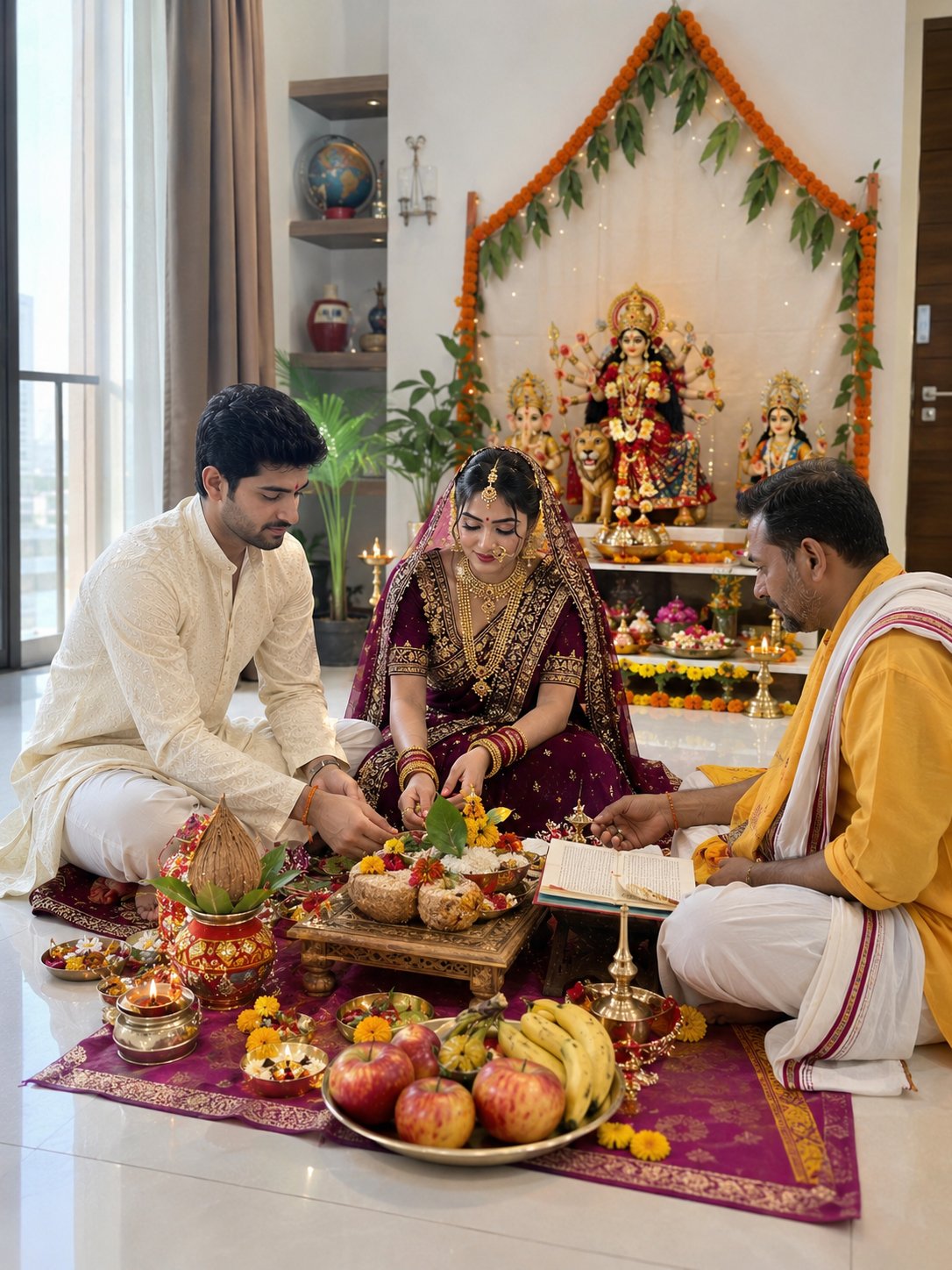
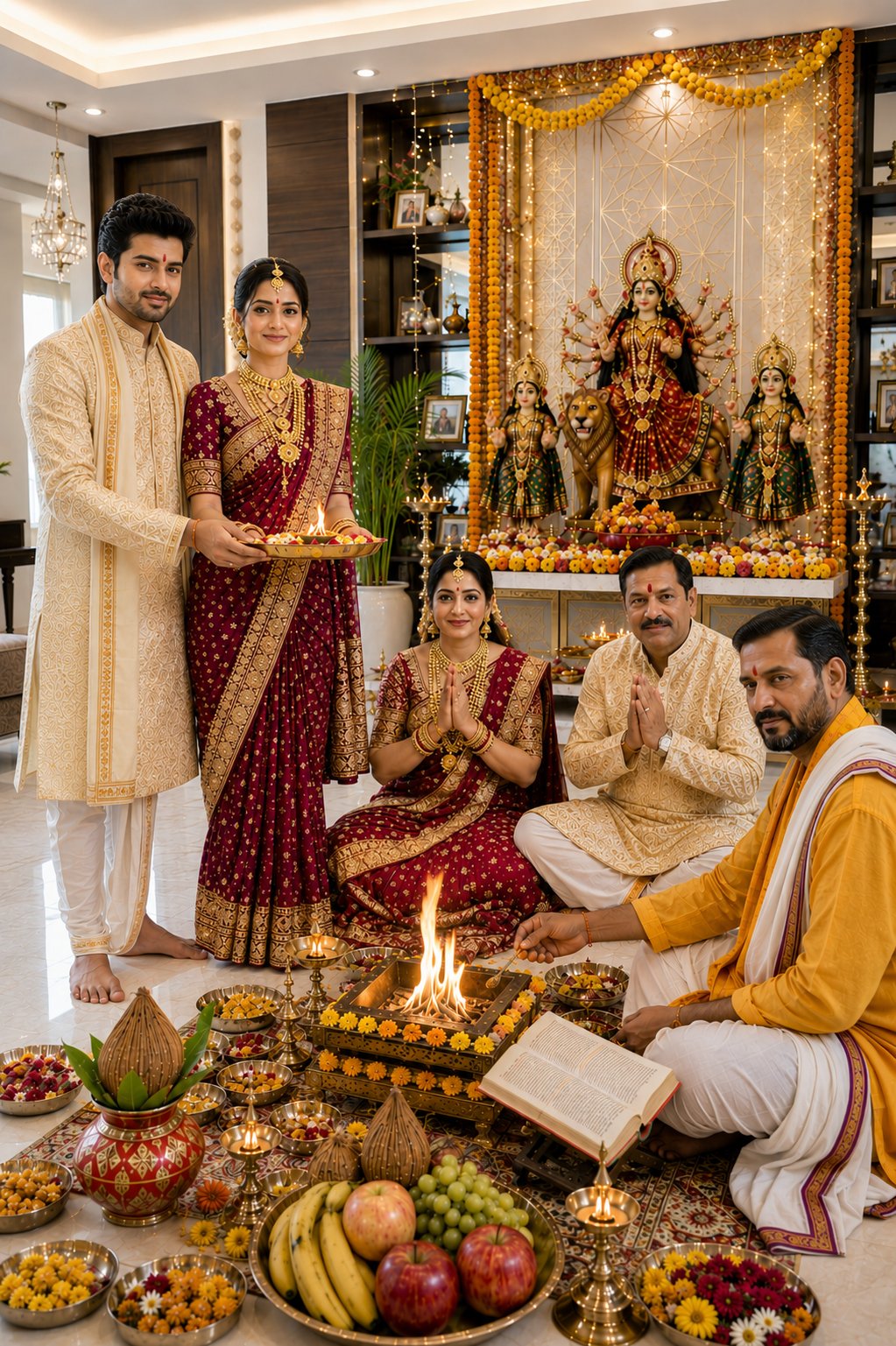
Vijayadashami Puja Vidhi

  1. 1

    Prepare a safe puja space

    Clean the area, arrange a stable thali and keep the required items ready. Place lamps away from fabric and children.

  2. 2

    Begin with prayer and sankalp

    Offer a respectful intention in your own words or according to family tradition. There is no mandatory wording for every household.

  3. 3

    Offer customary samagri

    Offer flowers, a safely placed diya, incense if suitable, clean water and appropriate naivedya. Adapt offerings for allergies and household needs.

  4. 4

    Honour the chosen deity

    Worship Shri Ram or Maa Durga according to your tradition. Seek trusted guidance for formal recitation; no unverified mantra is prescribed here.

  5. 5

    Shami Puja and Vijay Muhurat, where applicable

    Include Shami worship only in traditions that observe it. Use only a verified local Vijay or Shami Puja window shown in the Panchang section; if unavailable, consult your local Panchang or priest. Never damage a tree.

  6. 6

    Books, instruments and work tools

    Where Ayudha Puja or related customs are observed, honour clean books or safe tools. Isolate electrical equipment, stop machinery and follow workplace safety rules; worship never replaces professional safety checks.

  7. 7

    Community traditions, by choice

    Attend organised Ramlila, Ravan Dahan or Durga Visarjan only if you wish. These are not compulsory home rituals. Follow permissions, barriers and organiser instructions.

  8. 8

    Conclude with gratitude

    Pray for wisdom, courage, peace and righteous action. Share suitable prasad and choose one thoughtful action to carry the festival’s message into daily life.

Book Puja

Puja Samagri

0 / 11 items prepared

Order Puja SamagriBook Puja

Vijayadashami Celebrations Across India

North India

Many communities stage Ramlila and organised Ravan Dahan, symbolising victory over arrogance. These are public traditions, not compulsory household rites. Local organisers determine schedules and safe access.

West Bengal and neighbouring regions

Bijoya Dashami includes Maa Durga’s farewell, blessings and greetings, with Durga Visarjan where practised. Local Panchang conventions and immersion arrangements may differ from North Indian Dussehra; no procession time is inferred from a puja muhurat.

Karnataka

Mysuru Dasara is known for its royal and temple traditions and the ceremonial Jamboo Savari procession. Follow the official annual programme for dates, tickets, access and schedules, rather than assuming a universal procession time.

Himachal Pradesh

Kullu Dussehra begins around Vijayadashami and brings local deities and their communities together in a distinctive gathering centred on Raghunath. It is not simply a copy of North Indian effigy burning; details belong to local traditions and the official programme.

Maharashtra

Some families observe Shami Puja and exchange Apta leaves as symbolic gold and goodwill. Customs differ between communities; sustainably obtained leaves are optional, and protected trees must not be disturbed.

Tamil Nadu and other South Indian traditions

Ayudha Puja honours tools, instruments and livelihood, commonly on the preceding Navami in many traditions. Vijayadashami may mark their return to use and renewed learning after Saraswati worship. Follow the family’s local calendar rather than assigning every practice to Dashami.

Kerala

Vidyarambham traditionally introduces children to learning under the guidance of teachers or elders. Participation is voluntary and welcoming; the child’s comfort and readiness matter more than completing a ceremony on demand.

Book Puja

Bhog and Prasad

Offerings with care

Fruit, household sweets such as laddoo or kheer, and locally customary cooked prasad are possible offerings, not a compulsory menu. Jalebi is associated with Dussehra celebrations in some North Indian communities. Keep preparation hygienic, label allergens and share without waste.

Book Puja

Vrat and Fasting Guidance

Devotion need not mean fasting

Fasting is optional and varies by tradition. Regular meals, water, prayer and charity are equally respectful choices. People with medical conditions, medication schedules, pregnancy or other dietary needs should prioritise health and seek appropriate medical advice. Never stop prescribed medication or undertake dehydration or a compulsory waterless fast.

Book Puja

Spiritual Significance

Honesty and courage

Ram’s example can inspire speaking truth while accepting responsibility for the consequences of our choices.

Strength with compassion

Durga’s protective strength encourages defending dignity without cruelty or arrogance.

A victory practised daily

Choose self-control over a harmful impulse, apologise where needed and keep a modest promise. Spiritual growth comes through action, not a guarantee of wealth or victory.

Book Puja

Guidance

Families and household puja

Choose a simple shared prayer and invite participation without pressure. Let elders explain the family’s customs while making room for different abilities and beliefs.

Students and learning

Honour teachers and begin a manageable reading or practice routine. Children’s curiosity and comfort matter; a learning ceremony is not an exam or guarantee of achievement.

A new project or responsibility

An auspicious beginning is a traditional spiritual practice. Pair your intention with realistic planning, advice and steady work; no date guarantees success.

Workplaces and professional commitments

Thank the people and tools behind your livelihood. Make one commitment to honest workmanship. Keep machinery isolated and never place liquids or flames near live electrical equipment.

Community and respectful conduct

Respect local traditions, barriers, queues and differing observances. Help someone find safe access without entering restricted areas yourself.

Personal reflection

Ask which habit you would like to improve and what small action is possible today. Courage may mean seeking help, patience may mean listening, and humility may mean admitting a mistake.

Book Puja

12 Rashi Guidance & Puja Impact

Traditional spiritual reflections, not scientifically established predictions. No health, wealth, marriage, employment, victory or future event is guaranteed. No Rashi is inferior or unlucky.

Mesh (Aries)

Spiritual reflection
Let courage defend dharma rather than feed anger.
Optional prayer or intention
Offer a quiet intention to Shri Ram for strength with restraint.
Practical action
Pause before one difficult conversation and choose a calm response.
Personal growth
Restraint turns impulsive force into responsible courage.

Vrishabh (Taurus)

Spiritual reflection
Steadiness can become generous service rather than attachment.
Optional prayer or intention
Offer suitable prasad with gratitude for daily nourishment.
Practical action
Share a meal or useful resource without expecting recognition.
Personal growth
Generosity makes a stable life a source of support for others.

Mithun (Gemini)

Spiritual reflection
Victory over falsehood begins with careful speech.
Optional prayer or intention
Pray for clarity before repeating a story or message.
Practical action
Check one claim before sharing it and listen before replying.
Personal growth
Truthful communication builds trust beyond the celebration.

Kark (Cancer)

Spiritual reflection
Protective love leaves room for each person’s choice.
Optional prayer or intention
Offer a family prayer for compassion without compulsory participation.
Practical action
Ask an elder or child what would make the celebration comfortable.
Personal growth
Care becomes stronger when it respects dignity and boundaries.

Singh (Leo)

Spiritual reflection
Ravana’s fall invites humility in leadership.
Optional prayer or intention
Offer an intention to use influence for service, not praise.
Practical action
Credit someone whose work usually goes unnoticed.
Personal growth
Acknowledging others turns authority into shared responsibility.

Kanya (Virgo)

Spiritual reflection
Preparation matters, but devotion need not be perfection.
Optional prayer or intention
Offer a simple lamp and an intention to release harsh self-judgment.
Practical action
Organise one task and accept a safe, good-enough result.
Personal growth
Discipline with kindness prevents standards from becoming shame.

Tula (Libra)

Spiritual reflection
Dharma asks for fairness, not merely avoidance of disagreement.
Optional prayer or intention
Pray for wisdom to hear both sides patiently.
Practical action
Address one imbalance respectfully and set a clear boundary.
Personal growth
Thoughtful fairness can restore relationships without surrendering integrity.

Vrishchik (Scorpio)

Spiritual reflection
Inner victory may mean letting go of a harmful pattern.
Optional prayer or intention
Reflect quietly before Maa Durga with an intention for renewal.
Practical action
Name one trigger and choose a healthier response or seek support.
Personal growth
Honest self-awareness makes change possible without fear of fate.

Dhanu (Sagittarius)

Spiritual reflection
Learning carries responsibility to teach without superiority.
Optional prayer or intention
Read a trusted Ramayana account or reflect on its meaning.
Practical action
Share one lesson while welcoming questions and differing retellings.
Personal growth
Humility allows knowledge to inspire rather than dominate.

Makar (Capricorn)

Spiritual reflection
Duty is sustained by realistic effort and rest.
Optional prayer or intention
Offer gratitude for work and an intention for honest craftsmanship.
Practical action
Make a modest plan for one responsibility, including time to rest.
Personal growth
Sustainable discipline honours commitments better than overwork.

Kumbh (Aquarius)

Spiritual reflection
Community victory includes those often left out.
Optional prayer or intention
Offer an intention for accessible, peaceful celebrations.
Practical action
Volunteer for a safe practical task or help someone join comfortably.
Personal growth
Inclusive service connects spiritual ideals with collective care.

Meen (Pisces)

Spiritual reflection
Compassion becomes meaningful when paired with clear action.
Optional prayer or intention
Offer a familiar bhajan or a quiet prayer for peace.
Practical action
Support one person while keeping healthy personal boundaries.
Personal growth
Grounded kindness turns empathy into dependable help.

Do’s and Don’ts

Do

Celebrate sincerely, follow family and regional customs, offer hospitality, use suitable prasad and dispose of waste responsibly. Obtain optional leaves lawfully and protect plants.

Don’t

Do not shame different observances, pressure anyone to fast, treat ritual mistakes as misfortune, or buy rituals or gemstones out of fear. Never damage protected trees, waste food or ignore safety rules.

Book Puja

Festival Safety

Fire and fireworks

Use stable, fire-safe lamp surfaces. Follow local firework restrictions and authorised event guidance. Keep children well away from burning effigies and never burn one at home or in a street.

Crowds and photos

Follow event organisers’ instructions, stay outside barriers and avoid overcrowded or restricted zones. Agree a family meeting point, keep drinking water available and never enter an unsafe zone for a photo.

Immersion and the environment

Follow designated immersion arrangements; do not enter unsafe water or restricted riverbanks. Use responsible waste disposal and avoid plastic offerings.

Animals and workplaces

Reduce noise near animals and never frighten them with fireworks. Stop and isolate tools or machines before decoration; keep flame and liquids away from electrical equipment.

Book Puja

Frequently Asked Questions

Related Festivals

Sources & Tradition Notes

Narratives draw on Ramayana, Devi Mahatmya and Mahabharata traditions; retellings vary. Reference pages explain traditions, not verified live event schedules. No scripture quotations or mantras are prescribed.