Hindu Festivals · Festival of Lights
Diwali (Deepawali)
दीपावली (दिवाली)
The Festival of Lights · प्रकाश का पर्व
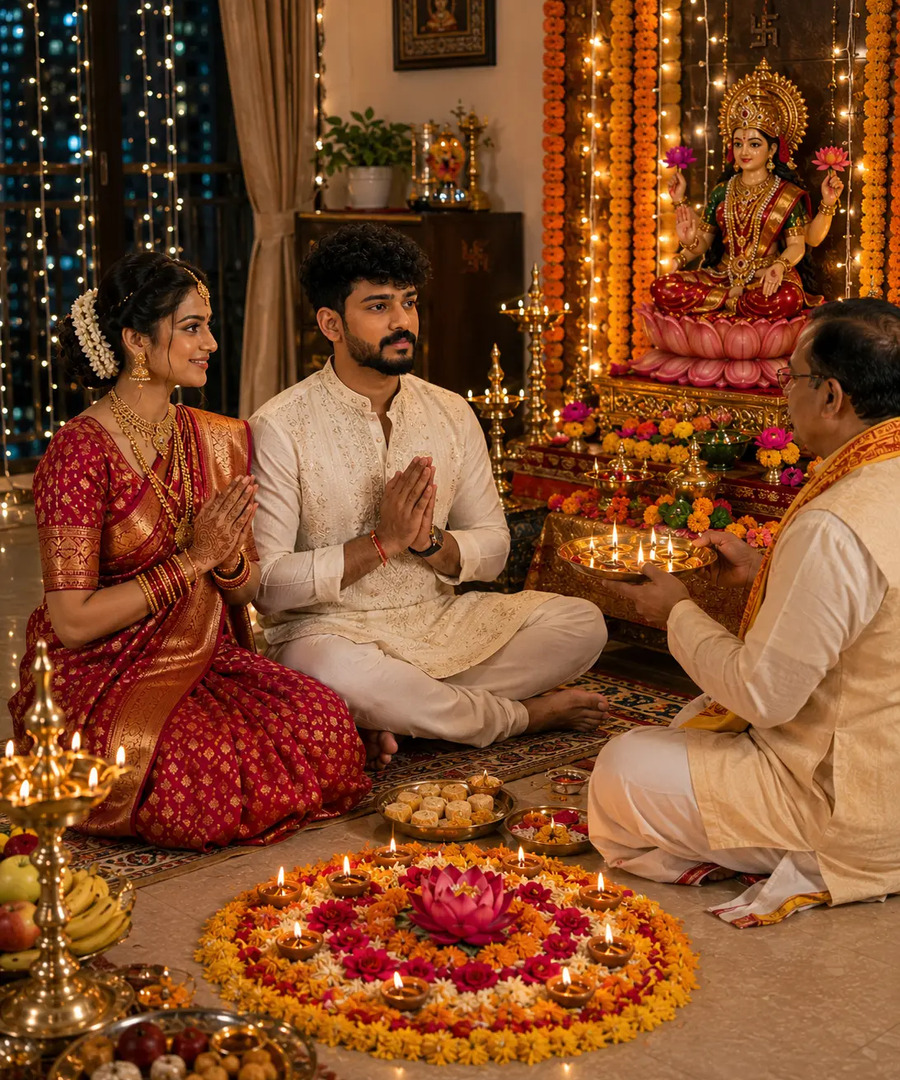
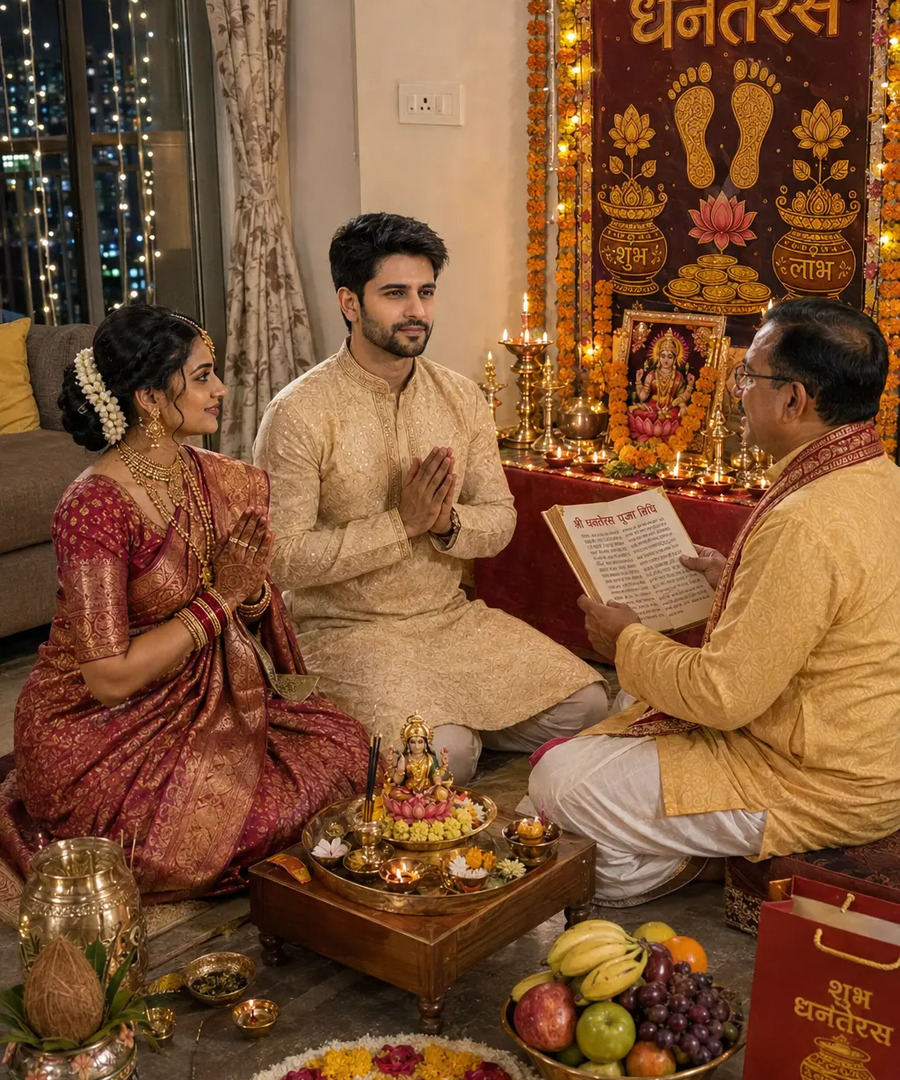
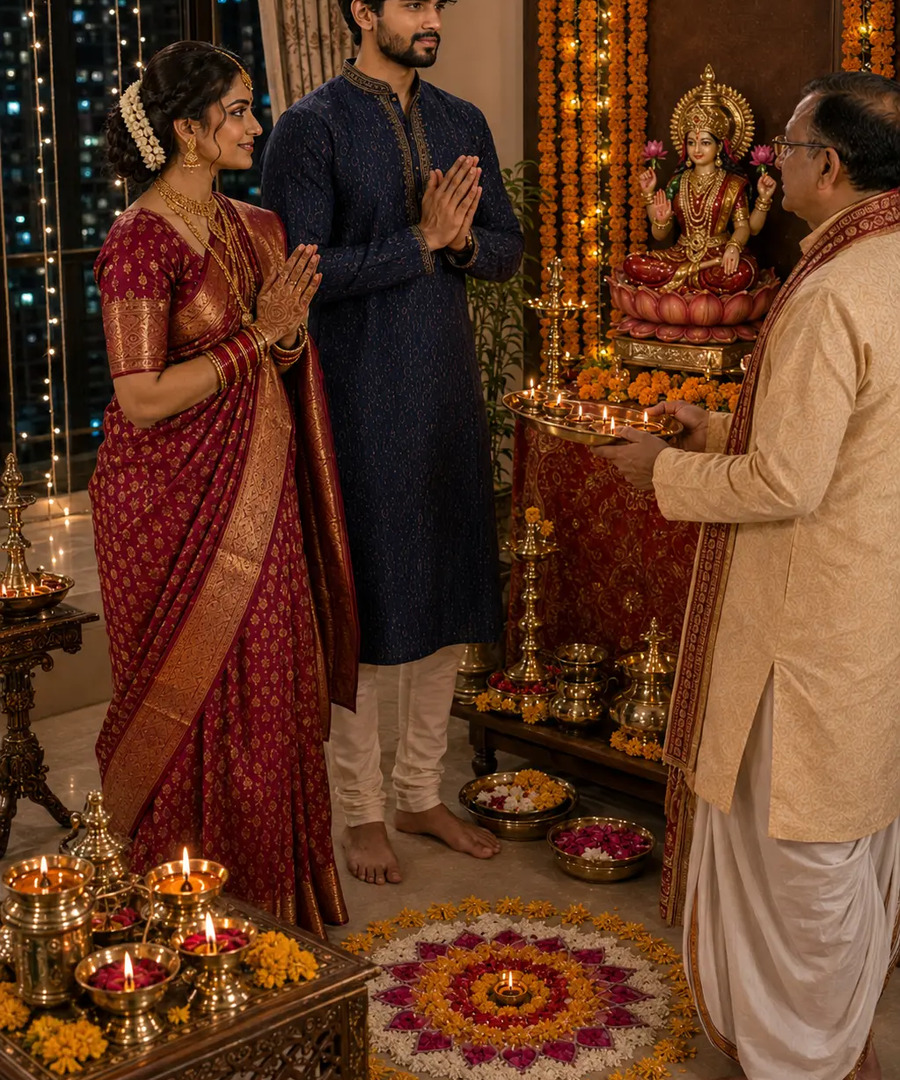
Diwali, also known as Deepawali, is one of the most widely celebrated Hindu festivals. It is associated with the victory of light over darkness, good over evil, and knowledge over ignorance. In many Hindu households, the main Diwali evening is devoted to the worship of Goddess Lakshmi and Lord Ganesha, prayers for wisdom and well-being, lighting diyas, decorating homes, and sharing happiness with family and friends.
दीपावली, जिसे दिवाली भी कहते हैं, सबसे व्यापक रूप से मनाए जाने वाले हिंदू पर्वों में से एक है। यह अंधकार पर प्रकाश, बुराई पर अच्छाई और अज्ञान पर ज्ञान की विजय से जुड़ा है। अनेक हिंदू परिवारों में दीपावली की मुख्य संध्या माता लक्ष्मी और भगवान गणेश की पूजा, ज्ञान व कल्याण की प्रार्थना, दीप जलाने, घर सजाने और परिवार व मित्रों के साथ खुशियाँ बाँटने को समर्पित होती है।
Diwali carries different religious meanings and customs across India and among different communities. No single tradition described here is universal.
भारत के विभिन्न क्षेत्रों और समुदायों में दीपावली के धार्मिक अर्थ और रीति-रिवाज अलग-अलग हैं। यहाँ बताई गई कोई भी एक परंपरा सब पर लागू नहीं होती।
Sun, 8 November 2026 · Lakshmi Puja date verified for New Delhi
01 / 05
A Home Glowing with Diyas
दीपों से जगमगाता घर
Story & History of Diwali
दीपावली की कथा एवं इतिहास
Diwali Date & Lakshmi Puja Muhurat
दीपावली की तिथि एवं लक्ष्मी पूजा मुहूर्त
- Diwali festival date / पर्व तिथि
- Sun, 8 November 2026 — verified
- Location / स्थान
- New Delhi, India · IST
- Amavasya Tithi begins / अमावस्या आरंभ
- 11:27 AM, 8 Nov 2026
- Amavasya Tithi ends / अमावस्या समाप्त
- 12:31 PM, 9 Nov 2026
- Lakshmi Puja Muhurat / लक्ष्मी पूजा मुहूर्त
- 5:54 PM – 7:50 PM (Pradosh Kaal with Vrishabha Kaal)
- Pradosh Kaal / प्रदोष काल
- 5:31 PM – 8:09 PM
- Nishita Kaal / निशीथ काल
- 11:39 PM – 12:31 AM, 9 Nov (Mahanishita Kaal — followed only in some traditions)
- Sunrise & sunset / सूर्योदय व सूर्यास्त
- Not independently verified — confirm locally
- Month and Paksha / मास व पक्ष
- Kartik (Purnimanta) / Ashwin (Amanta) · Krishna Paksha Amavasya
- Vikram Samvat / विक्रम संवत
- VS 2083 · stored calendar entry
The festival date is the day Lakshmi Puja is observed; the Amavasya Tithi itself starts and ends at the times shown, which can span two calendar days. · पर्व तिथि वह दिन है जब लक्ष्मी पूजा होती है; अमावस्या तिथि ऊपर दिए समय पर आरंभ और समाप्त होती है, जो दो दिनों में फैल सकती है।
Exact Tithi and Lakshmi Puja Muhurat vary by location. Please confirm with your local Panchang.
सटीक तिथि और लक्ष्मी पूजा मुहूर्त स्थान के अनुसार बदलते हैं। कृपया अपने स्थानीय पंचांग से पुष्टि करें।
Checked on 16 October 2026: Drik Panchang · New Delhi · 2026. Other cities differ (for example, Mumbai and Kolkata have different windows); this is a dated reference, not a live location service.
Why Is Diwali Celebrated?
दीपावली क्यों मनाई जाती है?
Why Is Diwali Celebrated?
दीपावली क्यों मनाई जाती है?
The importance of Diwali differs among regions and religious communities. Commonly shared meanings include:
दीपावली का महत्व क्षेत्रों और धार्मिक समुदायों में भिन्न है। सामान्य रूप से साझा अर्थ ये हैं:
- The symbolic victory of light over darkness.अंधकार पर प्रकाश की प्रतीकात्मक विजय।
- The triumph of good over evil.बुराई पर अच्छाई की विजय।
- Lord Rama's return to Ayodhya in the widely celebrated Ramayana tradition.प्रचलित रामायण परंपरा में भगवान राम का अयोध्या आगमन।
- Worship of Goddess Lakshmi and Lord Ganesha in many Hindu households.अनेक हिंदू घरों में माता लक्ष्मी और भगवान गणेश की पूजा।
- Gratitude, generosity, family togetherness and new beginnings.कृतज्ञता, उदारता, पारिवारिक एकता और नई शुरुआत।
- Cleaning and decorating homes as preparation for the festival.पर्व की तैयारी में घर की सफाई और सजावट।
- The importance of knowledge, ethical conduct and hope.ज्ञान, नैतिक आचरण और आशा का महत्व।
Diwali Lakshmi-Ganesha Puja Vidhi
दीपावली लक्ष्मी-गणेश पूजा विधि
Diwali Lakshmi-Ganesha Puja Vidhi
दीपावली लक्ष्मी-गणेश पूजा विधि
A general guide, not a compulsory sequence. Specific rituals vary by family, region and tradition.
यह सामान्य मार्गदर्शन है, अनिवार्य क्रम नहीं। विशिष्ट विधियाँ परिवार, क्षेत्र और परंपरा अनुसार भिन्न होती हैं।
- 1
Clean and Prepare the Home
घर की सफाई और तैयारी
In the days before Diwali, families traditionally clean, repair and tidy the home, giving special care to the space chosen for worship.
दीपावली से पहले परिवार परंपरागत रूप से घर की सफाई, मरम्मत और व्यवस्था करते हैं, और पूजा स्थान पर विशेष ध्यान देते हैं।
- 2
Prepare the Puja Area
पूजा स्थान तैयार करें
Choose a clean, stable area. Place a chowki with a clean cloth and arrange the idols or images used in your family's tradition — commonly Lakshmi and Ganesha.
स्वच्छ और स्थिर स्थान चुनें। चौकी पर स्वच्छ वस्त्र बिछाकर अपनी पारिवारिक परंपरा की प्रतिमाएँ या चित्र रखें — सामान्यतः लक्ष्मी और गणेश।
- 3
Arrange the Puja Samagri
पूजा सामग्री सजाएँ
Keep lamps, wicks, oil or ghee, flowers, water, akshat, kumkum, haldi, sweets and fruits ready on a thali within easy reach.
दीपक, बत्ती, तेल या घी, फूल, जल, अक्षत, कुमकुम, हल्दी, मिठाई और फल थाली में पास ही तैयार रखें।
- 4
Prepare for Lakshmi Puja
लक्ष्मी पूजा की तैयारी
Bathe and wear clean clothes, gather the family, keep a peaceful atmosphere and begin at the worship time your family follows, after checking your local muhurat.
स्नान कर स्वच्छ वस्त्र पहनें, परिवार को एकत्र करें, शांत वातावरण रखें और स्थानीय मुहूर्त देखकर परिवार द्वारा मान्य समय पर पूजा आरंभ करें।
- 5
Worship Lord Ganesha
भगवान गणेश की पूजा
Following family custom, offer prayers to Lord Ganesha before or alongside Lakshmi Puja — tilak, flowers, durva where used, and a sweet.
पारिवारिक रीति अनुसार लक्ष्मी पूजा से पहले या साथ में भगवान गणेश की पूजा करें — तिलक, फूल, जहाँ प्रचलित हो दूर्वा, और मिठाई।
- 6
Worship Goddess Lakshmi
माता लक्ष्मी की पूजा
Offer kumkum, akshat, flowers or a garland and a lit diya to Goddess Lakshmi, and pray with gratitude for the well-being of the household.
माता लक्ष्मी को कुमकुम, अक्षत, फूल या माला और प्रज्वलित दीपक अर्पित करें, और परिवार के कल्याण के लिए कृतज्ञता से प्रार्थना करें।
- 7
Offer Prasad
प्रसाद अर्पित करें
Present sweets, fruits, kheer or other suitable homemade offerings, according to family custom.
पारिवारिक रीति अनुसार मिठाई, फल, खीर या अन्य उपयुक्त घर का बना प्रसाद अर्पित करें।
- 8
Perform Aarti
आरती करें
Perform your family's customary Lakshmi-Ganesha aarti, holding the aarti plate safely.
परिवार में प्रचलित लक्ष्मी-गणेश आरती करें और आरती की थाली सावधानी से पकड़ें।
- 9
Light Diyas
दीप जलाएँ
Light diyas at the entrance, windows and around the home, keeping them on stable surfaces away from anything flammable.
द्वार, खिड़कियों और घर के आसपास दीप जलाएँ, उन्हें स्थिर सतह पर ज्वलनशील वस्तुओं से दूर रखें।
- 10
Share Happiness and Generosity
खुशियाँ और उदारता बाँटें
Share prasad, spend time with family, give to those in need and celebrate thoughtfully.
प्रसाद बाँटें, परिवार के साथ समय बिताएँ, ज़रूरतमंदों को दान दें और विचारपूर्वक उत्सव मनाएँ।
Lakshmi Puja on Diwali
दीपावली पर लक्ष्मी पूजा
Lakshmi Puja on Diwali
दीपावली पर लक्ष्मी पूजा
Goddess Lakshmi represents prosperity, auspiciousness and well-being. Many households perform Lakshmi Puja on Diwali evening because the Kartik Amavasya night is traditionally regarded as especially auspicious for welcoming her; classical texts such as Dharma Sindhu and Nirnaya Sindhu, as summarised by Drik Panchang, favour Pradosh Kaal while Amavasya prevails.
माता लक्ष्मी समृद्धि, मंगल और कल्याण की प्रतीक हैं। अनेक परिवार दीपावली की संध्या लक्ष्मी पूजा करते हैं क्योंकि कार्तिक अमावस्या की रात्रि उनके स्वागत के लिए परंपरागत रूप से विशेष शुभ मानी जाती है; ड्रिक पंचांग के अनुसार धर्मसिंधु और निर्णयसिंधु जैसे ग्रंथ अमावस्या रहते प्रदोष काल को श्रेष्ठ बताते हैं।
Common preparations include cleaning the puja area, placing a clean cloth on a chowki, and arranging the image or idol, a kalash where used, and a diya. General offerings include flowers, diyas, fruits and sweets.
सामान्य तैयारी में पूजा स्थान की सफाई, चौकी पर स्वच्छ वस्त्र बिछाना, प्रतिमा या चित्र, जहाँ प्रचलित हो वहाँ कलश, और दीपक रखना शामिल है। सामान्य अर्पण में फूल, दीपक, फल और मिठाई होते हैं।
Lakshmi Puja is an expression of gratitude, responsible use of wealth, generosity and ethical conduct. It does not guarantee financial prosperity, and no purchase or paid service is needed to receive divine blessings. If you follow a time-specific puja, check the muhurat for your own city.
लक्ष्मी पूजा कृतज्ञता, धन के उत्तरदायी उपयोग, उदारता और नैतिक आचरण की अभिव्यक्ति है। यह आर्थिक समृद्धि की गारंटी नहीं देती, और ईश्वरीय कृपा के लिए कोई खरीदारी या सशुल्क सेवा आवश्यक नहीं है। समय-विशेष पूजा करते हों तो अपने शहर का मुहूर्त अवश्य देखें।
Lord Ganesha Puja on Diwali
दीपावली पर भगवान गणेश की पूजा
Lord Ganesha Puja on Diwali
दीपावली पर भगवान गणेश की पूजा
Lord Ganesha is commonly worshipped with Goddess Lakshmi because he is honoured first in most Hindu rituals and symbolises wisdom, auspicious beginnings and overcoming obstacles. Devotees offer prayers, flowers such as marigold, durva grass where customary, and prasad such as modak or laddoo. Individual family practices vary.
भगवान गणेश सामान्यतः माता लक्ष्मी के साथ पूजे जाते हैं क्योंकि अधिकांश हिंदू अनुष्ठानों में उनकी प्रथम पूजा होती है और वे बुद्धि, शुभ आरंभ तथा विघ्न-निवारण के प्रतीक हैं। भक्त प्रार्थना, गेंदे जैसे फूल, जहाँ प्रचलित हो वहाँ दूर्वा, और मोदक या लड्डू जैसा प्रसाद अर्पित करते हैं। पारिवारिक रीतियाँ अलग हो सकती हैं।
Diwali Diyas, Rangoli & Home Decoration
दीपावली के दीपक, रंगोली एवं घर की सजावट
Diwali Diyas, Rangoli & Home Decoration
दीपावली के दीपक, रंगोली एवं घर की सजावट
Lighting diyas symbolises dispelling darkness and ignorance and welcoming goodness. Rangoli at the entrance, made with coloured powder, rice flour or flower petals, is a traditional sign of welcome. Marigold garlands, toran and decorative lamps prepare entrances and puja areas, creating a warm, festive and welcoming atmosphere.
दीप जलाना अंधकार और अज्ञान को दूर कर शुभता के स्वागत का प्रतीक है। द्वार पर रंग, चावल के आटे या फूलों की पंखुड़ियों से बनी रंगोली स्वागत का पारंपरिक चिह्न है। गेंदे की मालाएँ, तोरण और सजावटी दीपक द्वार और पूजा स्थान को सजाते हैं, जिससे घर में उत्सवमय और आत्मीय वातावरण बनता है।
Safety tips:
सुरक्षा सुझाव:
- Keep diyas away from curtains, paper and flammable decorations.दीपकों को पर्दों, कागज़ और ज्वलनशील सजावट से दूर रखें।
- Never leave burning lamps unattended.जलते दीपकों को कभी बिना देखरेख न छोड़ें।
- Keep flames away from children and pets.लौ को बच्चों और पालतू जानवरों से दूर रखें।
- Place lamps on stable, heat-resistant surfaces.दीपक स्थिर और ताप-रोधी सतह पर रखें।
- Use electrical decorative lights safely and avoid unsafe connections.बिजली की सजावटी लाइटें सुरक्षित रूप से लगाएँ और असुरक्षित कनेक्शन से बचें।
- Consider low-smoke and environmentally considerate options.कम धुएँ वाले और पर्यावरण-अनुकूल विकल्प अपनाएँ।
Complete Diwali Puja Samagri
दीपावली पूजा सामग्री
Complete Diwali Puja Samagri
दीपावली पूजा सामग्री
Items marked optional or 'where used' depend on family and regional custom; not every item is compulsory.
'वैकल्पिक' या 'जहाँ प्रचलित' चिह्नित वस्तुएँ पारिवारिक व क्षेत्रीय रीति पर निर्भर हैं; हर वस्तु अनिवार्य नहीं है।
0 of 24 items prepared24 में से 0 सामग्री तैयार
Items depend on family, region and the chosen puja; optional items are not universal requirements. · सामग्री परिवार, क्षेत्र और चुनी हुई पूजा अनुसार बदलती है।
Important Diwali Safety Guidelines
दीपावली के आवश्यक सुरक्षा नियम
Important Diwali Safety Guidelines
दीपावली के आवश्यक सुरक्षा नियम
- Confirm local Panchang timings before time-specific rituals.समय-विशेष अनुष्ठानों से पहले स्थानीय पंचांग का समय जाँच लें।
- Keep open flames away from flammable objects.खुली लौ को ज्वलनशील वस्तुओं से दूर रखें।
- Never leave diyas or candles unattended.दीपक या मोमबत्ती को कभी बिना देखरेख न छोड़ें।
- Keep children and pets away from hot lamps and fire.बच्चों और पालतू जानवरों को गर्म दीपकों और आग से दूर रखें।
- Use fireworks only where legally permitted, with appropriate safety precautions.पटाखे केवल वहीं चलाएँ जहाँ कानूनी अनुमति हो, और उचित सावधानी के साथ।
- Avoid fireworks in crowded or enclosed areas.भीड़भाड़ या बंद जगहों पर पटाखे न चलाएँ।
- Never handle fireworks near fuel, candles or open flames.ईंधन, मोमबत्ती या खुली लौ के पास पटाखे कभी न रखें।
- Follow local noise and environmental regulations.स्थानीय ध्वनि और पर्यावरण नियमों का पालन करें।
- Consider the impact of smoke on people with breathing difficulties.साँस की तकलीफ़ वाले लोगों पर धुएँ के प्रभाव का ध्यान रखें।
- Keep the worship area clean and stable.पूजा स्थान को स्वच्छ और स्थिर रखें।
- Handle hot oil, lamps and electrical decorations carefully.गर्म तेल, दीपक और बिजली की सजावट को सावधानी से संभालें।
- Avoid fear-based claims about rituals, timings or omissions.अनुष्ठान, समय या किसी चूक को लेकर भय पैदा करने वाले दावों से बचें।
Traditional Diwali Food and Prasad
दीपावली के पारंपरिक पकवान एवं प्रसाद
Traditional Diwali Food and Prasad
दीपावली के पारंपरिक पकवान एवं प्रसाद
Festive foods often include laddoo, kheer, barfi, fruits, homemade sweets, savoury snacks and regional dishes — from kaju katli and gujiya in the north to murukku and adhirasam in the south. What is prepared varies by region, family tradition and dietary needs; no single sweet or dish is mandatory for Diwali puja.
पर्व के पकवानों में लड्डू, खीर, बर्फी, फल, घर की मिठाइयाँ, नमकीन और क्षेत्रीय व्यंजन शामिल होते हैं — उत्तर में काजू कतली और गुझिया से लेकर दक्षिण में मुरुक्कु और अधिरसम तक। क्या बनाया जाए यह क्षेत्र, पारिवारिक परंपरा और आहार संबंधी आवश्यकताओं पर निर्भर है; दीपावली पूजा के लिए कोई एक मिठाई या व्यंजन अनिवार्य नहीं है।
Prepare prasad in a clean kitchen, store sweets properly, check freshness when buying, and enjoy festive food in moderation — especially if anyone in the family has diabetes or other dietary needs.
प्रसाद स्वच्छ रसोई में बनाएँ, मिठाइयाँ ठीक से रखें, खरीदते समय ताज़गी जाँचें, और त्योहार के भोजन का आनंद संयम से लें — विशेषकर यदि परिवार में किसी को मधुमेह या अन्य आहार संबंधी आवश्यकता हो।
Diwali Mantras and Prayers
दीपावली के मंत्र एवं प्रार्थनाएँ
Diwali Mantras and Prayers
दीपावली के मंत्र एवं प्रार्थनाएँ
Only texts checked against named sources are included. Each is labelled as a hymn verse or traditional prayer — no scripture is claimed without verification.
केवल नामित स्रोतों से जाँचे गए पाठ दिए गए हैं। प्रत्येक को स्तोत्र-श्लोक या पारंपरिक प्रार्थना के रूप में चिह्नित किया गया है — बिना पुष्टि के किसी शास्त्र का दावा नहीं।
Lakshmi · Mahalakshmyashtakam, verse 1
लक्ष्मी · महालक्ष्म्यष्टकम्, पहला श्लोक
नमस्तेऽस्तु महामाये श्रीपीठे सुरपूजिते। शङ्खचक्रगदाहस्ते महालक्ष्मि नमोऽस्तु ते॥
Salutations to Mahalakshmi, the great Maya, seated on the throne of Shri, revered by the gods, holding conch, discus and mace. A hymn of reverence, not a promise of wealth.
श्रीपीठ पर विराजमान, देवताओं द्वारा पूजित, शंख, चक्र और गदा धारण करने वाली महामाया महालक्ष्मी को नमस्कार। यह स्तुति है, धन का वादा नहीं।
Text checked against Mahalakshmyashtakam, verse 1. Source
Ganesha · Traditional opening prayer
गणेश की पारंपरिक आरंभ प्रार्थना
वक्रतुण्ड महाकाय सूर्यकोटि समप्रभ। निर्विघ्नं कुरु मे देव सर्वकार्येषु सर्वदा॥
O Ganesha, of curved trunk and mighty form, radiant as countless suns, may all my undertakings always be free of obstacles. A devotional request, not a guaranteed outcome.
हे वक्र सूँड़ वाले, विशालकाय, करोड़ों सूर्यों के समान तेजस्वी गणेश, मेरे सभी कार्य सदा निर्विघ्न करें। यह भक्ति प्रार्थना है, निश्चित परिणाम का वादा नहीं।
Widely used traditional verse; its early textual origin is not established, so no scripture is claimed. Source
Simple Hindi prayer to Lakshmi and Ganesha
Newly written devotional prayer · not an ancient or Vedic mantra
हे गणपति, हमें सद्बुद्धि दें; हे माँ लक्ष्मी, हमारे घर में सुख, शांति और संतोष बना रहे। हम जो पाएँ उसे ईमानदारी से कमाएँ, कृतज्ञता से अपनाएँ और प्रेम से बाँटें।
Meaning: O Ganapati, grant us good judgement; O Mother Lakshmi, may happiness, peace and contentment remain in our home. May we earn honestly, receive with gratitude and share with love.
Spiritual Benefits of Celebrating Diwali
दीपावली मनाने का आध्यात्मिक महत्व
Spiritual Benefits of Celebrating Diwali
दीपावली मनाने का आध्यात्मिक महत्व
These are spiritual values and personal reflections — not guaranteed material, medical or supernatural outcomes.
ये आध्यात्मिक मूल्य और व्यक्तिगत चिंतन हैं — भौतिक, चिकित्सकीय या अलौकिक परिणामों की गारंटी नहीं।
- Letting go of negativity, as the home is cleaned and lit.घर की सफाई और प्रकाश के साथ नकारात्मकता को छोड़ना।
- Choosing honesty and kindness in everyday conduct.दैनिक आचरण में ईमानदारी और दया को चुनना।
- Practising gratitude for family, health and livelihood.परिवार, स्वास्थ्य और आजीविका के लिए कृतज्ञता।
- Spending meaningful time with family.परिवार के साथ सार्थक समय बिताना।
- Sharing food and resources with those in need.ज़रूरतमंदों के साथ भोजन और संसाधन बाँटना।
- Welcoming new beginnings with thoughtful intentions.विचारपूर्ण संकल्पों के साथ नई शुरुआत का स्वागत।
- Cultivating wisdom, hope and inner clarity.ज्ञान, आशा और आंतरिक स्पष्टता का विकास।
- Using prosperity responsibly.समृद्धि का उत्तरदायी उपयोग।
Diwali Guidance for All 12 Rashis
दीपावली पर सभी 12 राशियों के लिए मार्गदर्शन
Diwali Guidance for All 12 Rashis
दीपावली पर सभी 12 राशियों के लिए मार्गदर्शन
General spiritual reflections inspired by traditional zodiac symbolism — not personalised predictions or guarantees.
पारंपरिक राशि प्रतीकों से प्रेरित सामान्य आध्यात्मिक चिंतन — व्यक्तिगत भविष्यवाणी या गारंटी नहीं।
01
Mesh · मेष
Patient light · धैर्य का प्रकाश
Let your energy light one lamp slowly and steadily; begin a new effort this Diwali without rushing it.
अपनी ऊर्जा से एक दीप धीरे और स्थिरता से जलाएँ; इस दीपावली कोई नया प्रयास बिना जल्दबाज़ी के आरंभ करें।
02
Vrishabh · वृषभ
Grateful abundance · कृतज्ञ समृद्धि
Before wishing for more, list what already sustains your home and share a portion of festive food with someone in need.
और माँगने से पहले उन चीज़ों को याद करें जो पहले से घर को संभालती हैं, और त्योहार के भोजन का एक भाग किसी ज़रूरतमंद को दें।
03
Mithun · मिथुन
Kind words · मधुर वाणी
Use your gift for words to reconnect — call a relative or friend you have not spoken to in a while.
अपनी वाणी के गुण से संबंध जोड़ें — किसी ऐसे रिश्तेदार या मित्र को फ़ोन करें जिससे लंबे समय से बात नहीं हुई।
04
Kark · कर्क
Warm home · आत्मीय घर
Make the puja a gentle family moment; invite elders to share a memory of Diwalis past.
पूजा को परिवार का स्नेहपूर्ण क्षण बनाएँ; बड़ों से पिछली दीपावलियों की कोई याद सुनाने को कहें।
05
Singh · सिंह
Generous leadership · उदार नेतृत्व
Let your light encourage others — appreciate someone whose quiet work makes the festival possible.
आपका प्रकाश दूसरों को प्रेरित करे — किसी ऐसे व्यक्ति की सराहना करें जिसके मौन श्रम से त्योहार संभव होता है।
06
Kanya · कन्या
Order with ease · सहज व्यवस्था
Clean and arrange with care, but release the need for perfection; a simple, sincere puja is enough.
सफाई और सजावट मन से करें, पर पूर्णता का आग्रह छोड़ दें; सरल और सच्ची पूजा पर्याप्त है।
07
Tula · तुला
Harmony · सामंजस्य
Use the festival to ease a small disagreement and bring balance back into a relationship.
इस पर्व पर किसी छोटे मतभेद को सुलझाकर किसी संबंध में फिर से संतुलन लाएँ।
08
Vrishchik · वृश्चिक
Letting go · त्याग का भाव
As the house is cleaned, consciously let go of one old resentment that no longer serves you.
घर की सफाई के साथ, किसी पुरानी कड़वाहट को सचेत रूप से छोड़ दें जो अब आपके काम की नहीं।
09
Dhanu · धनु
Seeking wisdom · ज्ञान की खोज
Spend a few quiet minutes reading or reflecting on a teaching that inspires your path ahead.
कुछ शांत क्षण किसी ऐसी शिक्षा को पढ़ने या उस पर मनन करने में लगाएँ जो आगे की राह को प्रेरित करे।
10
Makar · मकर
Responsible prosperity · उत्तरदायी समृद्धि
Review your plans for the year ahead and set one realistic, honest goal for using resources wisely.
आने वाले वर्ष की योजना देखें और संसाधनों के समझदारी से उपयोग का एक व्यावहारिक, ईमानदार लक्ष्य तय करें।
11
Kumbh · कुंभ
Community light · सामूहिक प्रकाश
Share light beyond your home — help a neighbour decorate, or support a community celebration.
अपने घर से बाहर भी प्रकाश बाँटें — किसी पड़ोसी की सजावट में मदद करें या किसी सामूहिक उत्सव में सहयोग दें।
12
Meen · मीन
Inner stillness · आंतरिक शांति
After the aarti, sit for a moment beside a single diya and pray quietly for compassion and clarity.
आरती के बाद एक दीपक के पास कुछ क्षण बैठें और करुणा व स्पष्टता के लिए मौन प्रार्थना करें।
Frequently Asked Questions About Diwali
दीपावली से जुड़े अक्सर पूछे जाने वाले प्रश्न
Frequently Asked Questions About Diwali
दीपावली से जुड़े अक्सर पूछे जाने वाले प्रश्न
- What is Diwali?दीपावली क्या है?
Diwali, or Deepawali, is the Hindu festival of lights, observed on Kartik Amavasya and celebrated with lamps, Lakshmi-Ganesha worship, decoration and family gatherings.
दीपावली हिंदू प्रकाश पर्व है, जो कार्तिक अमावस्या को दीप, लक्ष्मी-गणेश पूजा, सजावट और पारिवारिक मिलन के साथ मनाया जाता है।
- Why is Diwali celebrated?दीपावली क्यों मनाई जाती है?
It symbolises light over darkness and good over evil. Commonly cited reasons include Rama's return to Ayodhya and Lakshmi worship; meanings vary by region and community.
यह अंधकार पर प्रकाश और बुराई पर अच्छाई का प्रतीक है। प्रचलित कारणों में राम का अयोध्या आगमन और लक्ष्मी पूजा हैं; अर्थ क्षेत्र और समुदाय अनुसार भिन्न हैं।
- What is the story of Lord Rama's return to Ayodhya?भगवान राम के अयोध्या आगमन की कथा क्या है?
In the Ramayana tradition, Rama returned with Sita and Lakshmana after fourteen years of exile and the defeat of Ravana, and Ayodhya welcomed them with lamps.
रामायण परंपरा में राम चौदह वर्ष के वनवास और रावण पर विजय के बाद सीता व लक्ष्मण के साथ लौटे, और अयोध्या ने दीपों से उनका स्वागत किया।
- Why is Goddess Lakshmi worshipped on Diwali?दीपावली पर माता लक्ष्मी की पूजा क्यों होती है?
She is revered as the goddess of prosperity and well-being, and Kartik Amavasya evening is traditionally regarded as auspicious for her worship.
वे समृद्धि और कल्याण की देवी के रूप में पूजित हैं, और कार्तिक अमावस्या की संध्या उनकी पूजा के लिए परंपरागत रूप से शुभ मानी जाती है।
- Why is Lord Ganesha worshipped with Goddess Lakshmi?माता लक्ष्मी के साथ गणेश जी की पूजा क्यों होती है?
Ganesha is honoured first as the remover of obstacles and giver of wisdom, expressing the hope that prosperity is guided by wisdom.
गणेश जी विघ्नहर्ता और बुद्धिदाता के रूप में प्रथम पूज्य हैं, इस भावना से कि समृद्धि बुद्धि से संचालित हो।
- When is Diwali celebrated?दीपावली कब मनाई जाती है?
On the Amavasya of Kartik (Amanta Ashwin) month, usually in October or November. In 2026, Lakshmi Puja in New Delhi is on Sunday, 8 November.
कार्तिक (अमांत आश्विन) मास की अमावस्या को, सामान्यतः अक्टूबर या नवंबर में। 2026 में नई दिल्ली में लक्ष्मी पूजा रविवार, 8 नवंबर को है।
- How is the correct Diwali date determined?दीपावली की सही तिथि कैसे तय होती है?
Traditional rules favour the day when Amavasya prevails during Pradosh Kaal after sunset; because sunset differs by place, Panchangs may differ by city.
पारंपरिक नियम उस दिन को मान्य करते हैं जब सूर्यास्त के बाद प्रदोष काल में अमावस्या हो; सूर्यास्त स्थान अनुसार बदलता है, इसलिए शहरों में पंचांग भिन्न हो सकते हैं।
- What is the Lakshmi Puja Muhurat?लक्ष्मी पूजा मुहूर्त क्या है?
It is the window considered auspicious for Lakshmi Puja, commonly Pradosh Kaal overlapping a fixed (Sthir) Lagna. It varies by city — confirm with your local Panchang.
यह लक्ष्मी पूजा के लिए शुभ माना गया समय है, सामान्यतः प्रदोष काल और स्थिर लग्न का मेल। यह शहर अनुसार बदलता है — स्थानीय पंचांग से पुष्टि करें।
- What items are required for Diwali Lakshmi Puja?दीपावली लक्ष्मी पूजा के लिए क्या सामग्री चाहिए?
Common items include Lakshmi and Ganesha images, diyas, flowers, kumkum, akshat, water, fruits and sweets. Use the checklist above; not every item is compulsory.
सामान्य सामग्री में लक्ष्मी-गणेश के चित्र, दीपक, फूल, कुमकुम, अक्षत, जल, फल और मिठाई शामिल हैं। ऊपर दी सूची देखें; हर वस्तु अनिवार्य नहीं है।
- How do I perform Lakshmi-Ganesha Puja at home?घर पर लक्ष्मी-गणेश पूजा कैसे करें?
Clean and set up the puja area, worship Ganesha, then Lakshmi, offer prasad, perform aarti and light diyas — following the step-by-step guide on this page and your family's custom.
पूजा स्थान साफ कर सजाएँ, गणेश जी फिर लक्ष्मी जी की पूजा करें, प्रसाद अर्पित करें, आरती करें और दीप जलाएँ — इस पृष्ठ की चरणबद्ध विधि और पारिवारिक रीति अनुसार।
- Why are diyas lit on Diwali?दीपावली पर दीप क्यों जलाए जाते हैं?
Diyas symbolise dispelling darkness and ignorance and welcoming goodness, and recall Ayodhya's welcome of Rama in the Ramayana tradition.
दीप अंधकार और अज्ञान को दूर कर शुभता के स्वागत का प्रतीक हैं, और रामायण परंपरा में अयोध्या द्वारा राम के स्वागत की याद दिलाते हैं।
- Is rangoli necessary for Diwali?क्या दीपावली पर रंगोली आवश्यक है?
No. Rangoli is a beautiful custom of welcome but is optional.
नहीं। रंगोली स्वागत की सुंदर परंपरा है, पर वैकल्पिक है।
- Which foods are offered during Diwali puja?दीपावली पूजा में क्या भोग लगाया जाता है?
Often sweets such as laddoo, barfi or kheer, and fruits — but offerings vary by family and no dish is mandatory.
प्रायः लड्डू, बर्फी या खीर जैसी मिठाइयाँ और फल — पर भोग परिवार अनुसार भिन्न है और कोई व्यंजन अनिवार्य नहीं।
- How is Diwali different from Narak Chaturdashi?दीपावली नरक चतुर्दशी से कैसे अलग है?
Narak Chaturdashi (Choti Diwali) falls the day before, on Chaturdashi, and recalls Krishna's defeat of Narakasura; the main Diwali evening on Amavasya centres on Lakshmi-Ganesha Puja.
नरक चतुर्दशी (छोटी दिवाली) एक दिन पहले चतुर्दशी को होती है और श्रीकृष्ण द्वारा नरकासुर वध की स्मृति है; अमावस्या की मुख्य दीपावली संध्या लक्ष्मी-गणेश पूजा पर केंद्रित है।
- How do Diwali customs differ across India?भारत में दीपावली के रीति-रिवाज कैसे भिन्न हैं?
North India emphasises Rama's return and Lakshmi Puja, Bengal observes Kali Puja, Gujarat marks a new year the next day, and parts of South India celebrate Deepavali on Naraka Chaturdashi.
उत्तर भारत में राम आगमन और लक्ष्मी पूजा, बंगाल में काली पूजा, गुजरात में अगले दिन नववर्ष, और दक्षिण भारत के कुछ भागों में नरक चतुर्दशी पर दीपावली मनाई जाती है।
- Can I perform a simple Diwali puja at home?क्या घर पर सरल दीपावली पूजा कर सकते हैं?
Yes. A clean space, a diya, flowers, a sweet and a sincere prayer to Lakshmi and Ganesha are enough. A pandit is optional.
हाँ। स्वच्छ स्थान, एक दीपक, फूल, मिठाई और लक्ष्मी-गणेश से सच्ची प्रार्थना पर्याप्त है। पंडित जी वैकल्पिक हैं।
Explore Related Festivals
संबंधित पर्व
Sources & Traditional References
स्रोत एवं पारंपरिक संदर्भ
- Drik Panchang · 2026 Lakshmi Puja timings for Delhi (Amavasya, Pradosh, Nishita)
- Drik Panchang · 2026 Diwali puja calendar (five-day sequence)
- Drik Panchang · Lakshmi Puja Muhurat rules (Dharma Sindhu, Nirnaya Sindhu references)
- Valmiki Ramayana · Yuddha Kanda (Rama's return and coronation)
- Bhagavata Purana, Canto 10, Chapter 59 · the Narakasura narrative
Religious narratives are paraphrased as sacred tradition, not historical claims; customs vary by region and community. Local sunrise and sunset are not independently verified. · धार्मिक कथाएँ पवित्र परंपरा के रूप में सरल शब्दों में दी गई हैं, ऐतिहासिक दावे के रूप में नहीं; रीति-रिवाज क्षेत्र और समुदाय अनुसार भिन्न हैं।
Celebrate Diwali with Devotion and Joy
श्रद्धा और आनंद के साथ मनाएँ दीपावली
Prepare for Diwali with meaningful traditions, a peaceful puja space, and thoughtful celebrations. Explore puja assistance and samagri options according to your family's customs.