मेष · Aries
Mesh
Theme: Calm strength
Let the cool full moon remind you to balance energy with peace.
The Sacred Full Moon of Autumn
शरद ऋतु की पावन पूर्णिमा
शरद पूर्णिमा
Also known as Kojagari Purnima · Kojagara Purnima · Sharad Poonam (कोजागरी पूर्णिमा · शरद पूनम)
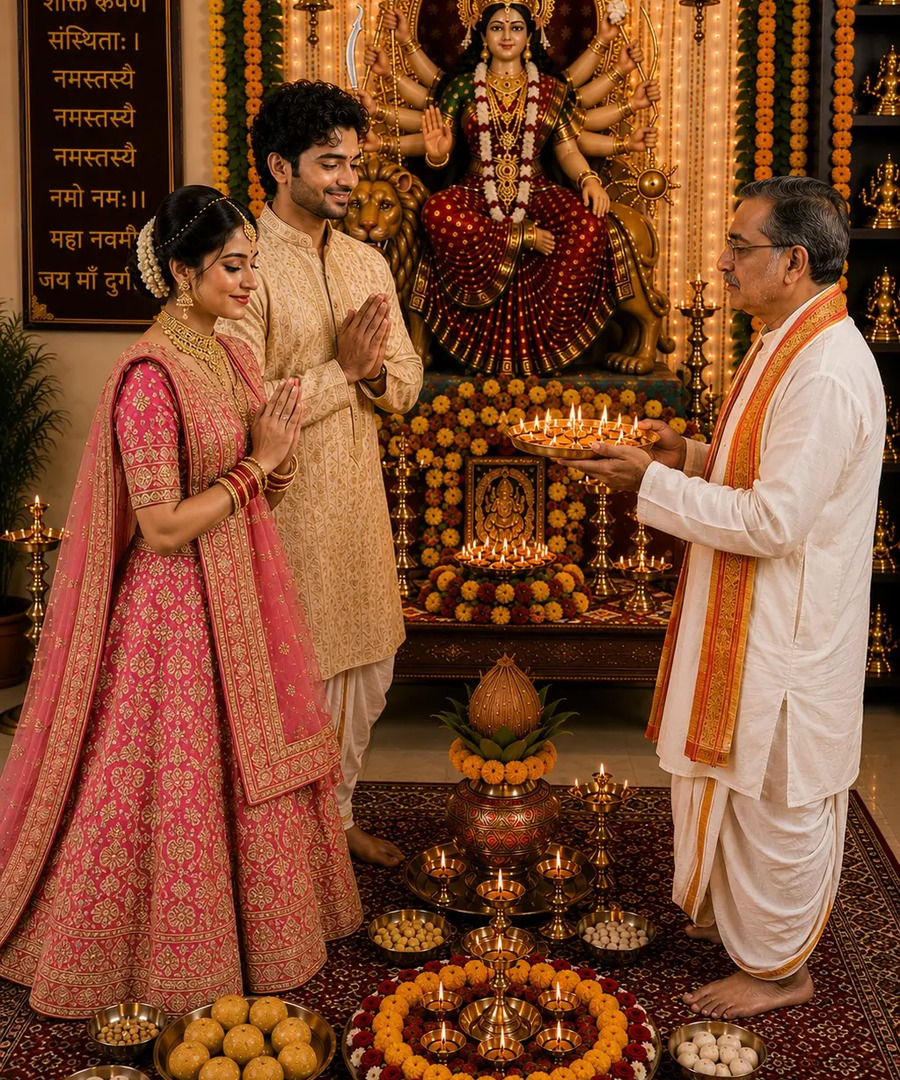
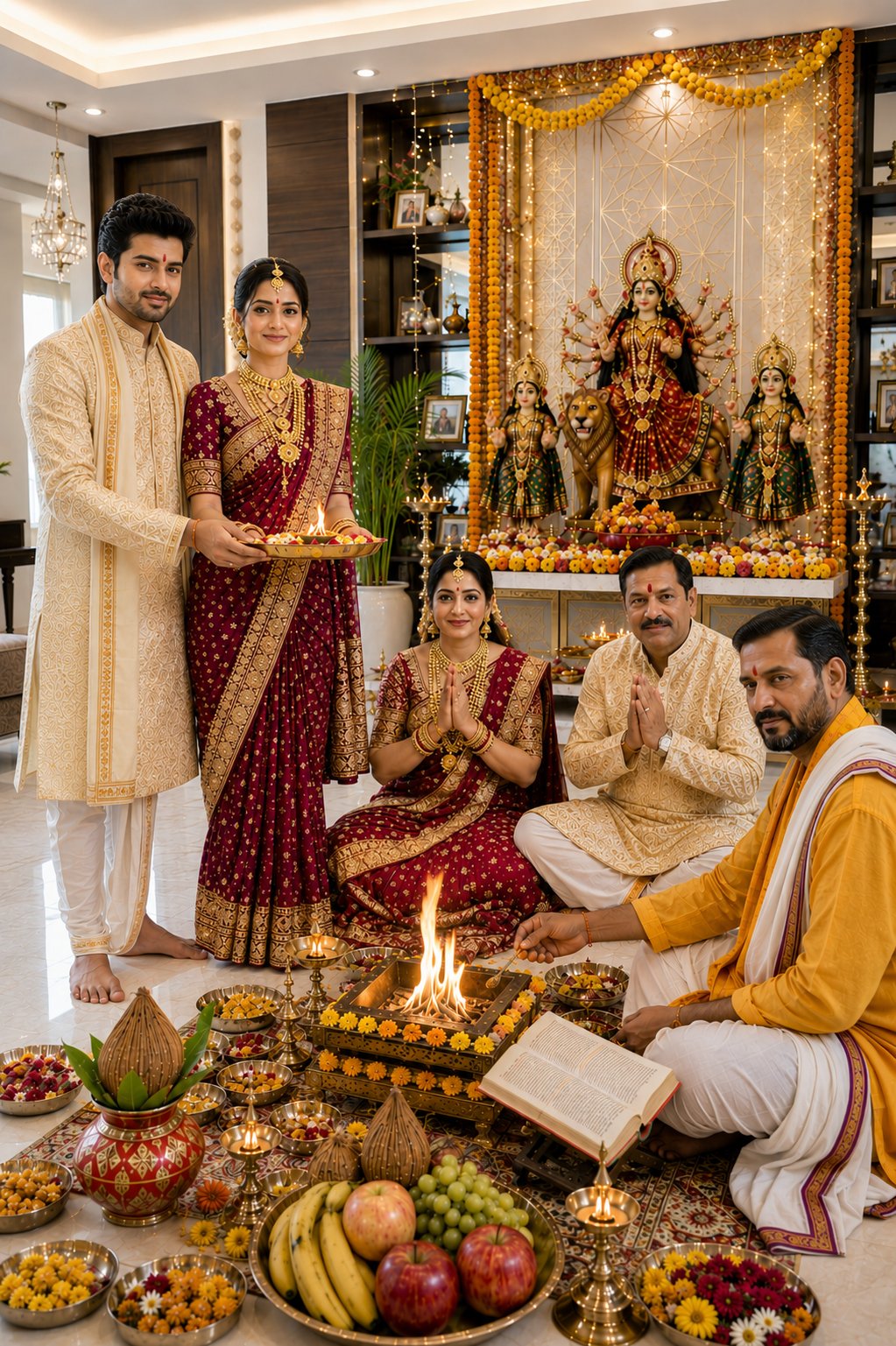
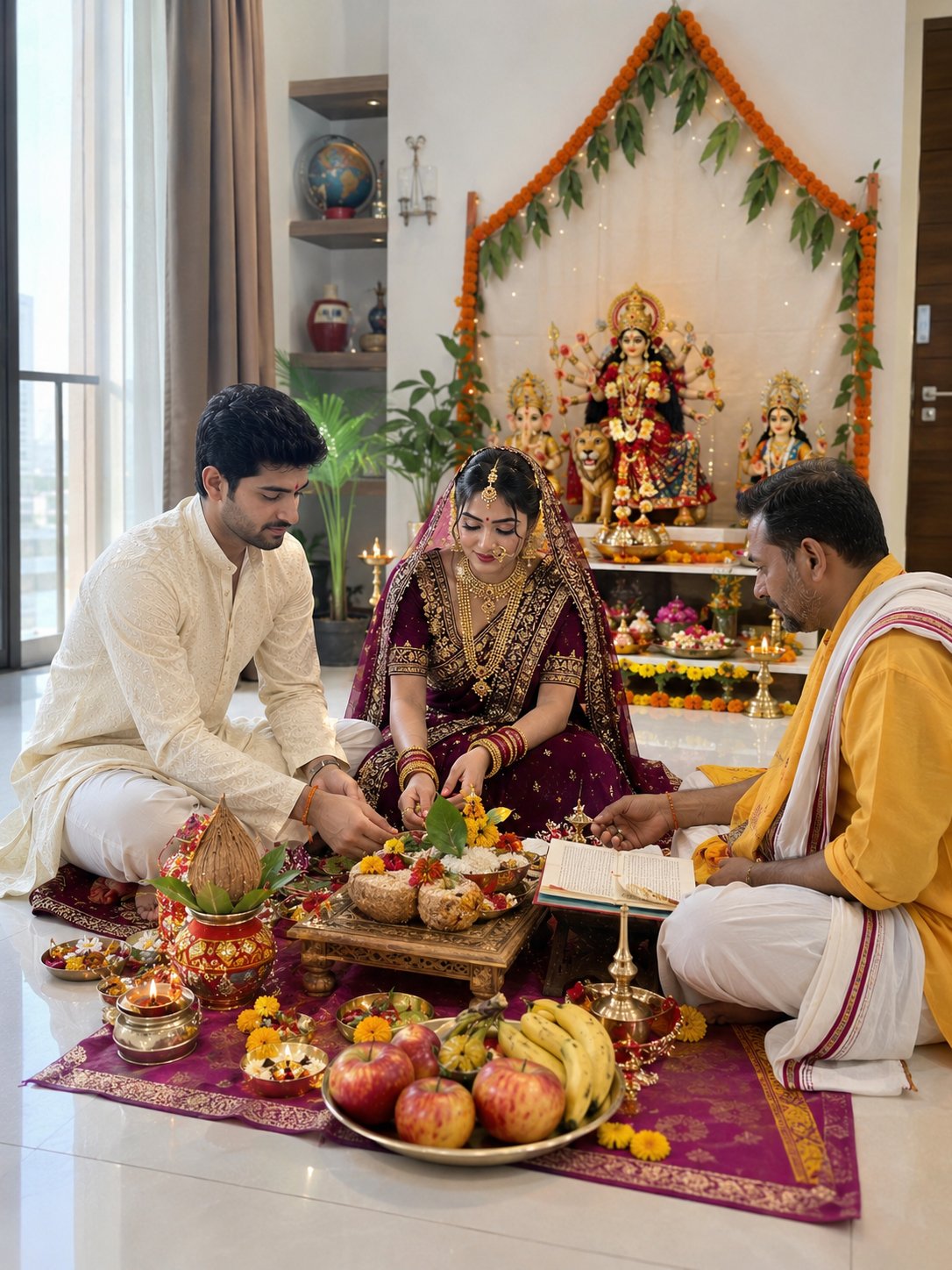
Sharad Purnima is an important Hindu festival observed on the full-moon night of the Ashwin lunar month. The occasion is associated with devotion, moon worship, traditional offerings, and the worship of Goddess Lakshmi in Kojagari traditions. In Krishna-bhakti traditions, the autumn full-moon night is also associated with Shri Krishna's divine Raas. Many families prepare kheer or other milk-based offerings and follow their customary prayers and observances.
शरद पूर्णिमा आश्विन मास की पूर्णिमा को मनाया जाने वाला एक महत्त्वपूर्ण हिंदू पर्व है। यह अवसर चंद्रमा की पूजा, पारंपरिक भोग, भक्ति और कोजागरी परंपराओं में माँ लक्ष्मी की आराधना से जुड़ा है। श्रीकृष्ण भक्ति की परंपराओं में शरद ऋतु की पूर्णिमा की रात को भगवान श्रीकृष्ण की दिव्य रासलीला से भी जोड़ा जाता है। इस दिन अनेक परिवार खीर या दूध से बने अन्य भोग तैयार करते हैं और अपनी पारिवारिक परंपराओं के अनुसार पूजा-पाठ करते हैं।
Sun, 25 October 2026 · Delhi
Image placeholder — to be replaced
Full moon in an autumn night sky — placeholder to be replaced
01 / 05
The Sacred Autumn Full Moon
शरद ऋतु का पावन पूर्ण चंद्र
The sacred stories
शरद पूर्णिमा की कथा और इतिहास
शरद पूर्णिमा की तिथि और शुभ मुहूर्त
Sharad Purnima timings depend on the local Panchang and observance tradition. Please confirm the exact date and puja Muhurat with a trusted local Panchang or priest.शरद पूर्णिमा का समय स्थानीय पंचांग और पूजा की परंपरा पर निर्भर करता है। कृपया सही तिथि और पूजा के शुभ मुहूर्त की पुष्टि विश्वसनीय स्थानीय पंचांग या पंडित जी से करें।
Date, tithi and timings verified for Delhi via Drik Panchang on 16 October 2026. Kojagara Puja follows the Nishita-vyapini Purnima rule, so the observance belongs to the full-moon night of 25 October.
The Ashwin full-moon night is traditionally regarded as especially auspicious — the first clear full moon after the monsoon, when the moon is traditionally said to shine with all sixteen kalas. Worshipping Chandra Dev on this night is considered significant in traditions that observe it, and newly wed women who take a year-long Purnima fasting pledge traditionally begin it on Sharad Purnima.
The traditional belief that the moon is especially auspicious on this night is a devotional belief; it should not be presented as a proven scientific or medical fact. Regional practices differ and none is a universal requirement.
आश्विन पूर्णिमा की रात विशेष शुभ मानी जाती है — परंपरा के अनुसार इस रात चंद्रमा सोलह कलाओं से युक्त होता है। चंद्र पूजा, कोजागरी लक्ष्मी पूजा, शरद रास और खीर की परंपराएँ क्षेत्र अनुसार अलग-अलग हैं; कोई भी एक रिवाज़ सभी के लिए अनिवार्य नहीं है।
General devotional guidance; procedures vary by family, region and sampradaya. Not every family performs every step.
Clean the puja space, arrange the altar respectfully, and keep the required puja items ready.
पूजा स्थल साफ़ करें, वेदी सजाएँ और आवश्यक पूजा सामग्री तैयार रखें।
Bathe, wear clean and comfortable clothes, and begin with a calm mind and sincere intention.
स्नान कर स्वच्छ व आरामदायक वस्त्र पहनें और शांत मन से प्रारंभ करें।
State the intention for the puja according to family tradition; wording differs between families.
अपनी पारिवारिक परंपरा के अनुसार पूजा का संकल्प लें।
Worship may focus on Chandra Dev, Maa Lakshmi, Shri Krishna, or a combination, according to your family's observance.
परिवार की परंपरा अनुसार चंद्र देव, माँ लक्ष्मी, श्रीकृष्ण या इनके संयोजन की पूजा करें।
Offer flowers, water, diya, fruits, or other customary items as per your tradition.
फूल, जल, दीपक, फल या अन्य पारंपरिक वस्तुएँ अर्पित करें।
Recite verified prayers appropriate to the deity being worshipped, such as those in the Mantras section.
पूज्य देवता के अनुरूप प्रामाणिक मंत्र या प्रार्थना का पाठ करें।
Prepare kheer or another family-specific offering hygienically, with clean utensils and safe storage.
स्वच्छ बर्तनों में खीर या अन्य पारंपरिक भोग स्वच्छता से तैयार करें और सुरक्षित रखें।
Some families place the covered offering where it receives moonlight, according to their custom. Moonlight does not make food medically curative.
कुछ परिवार परंपरा अनुसार ढका हुआ भोग चंद्रमा की रोशनी में रखते हैं। चंद्रमा की रोशनी भोजन को औषधीय नहीं बनाती।
Perform the customary aarti and offer gratitude.
परंपरा अनुसार आरती करें और कृतज्ञता अर्पित करें।
Share the offering respectfully with family and guests according to family tradition.
पारिवारिक परंपरा अनुसार प्रसाद सम्मानपूर्वक बाँटें।
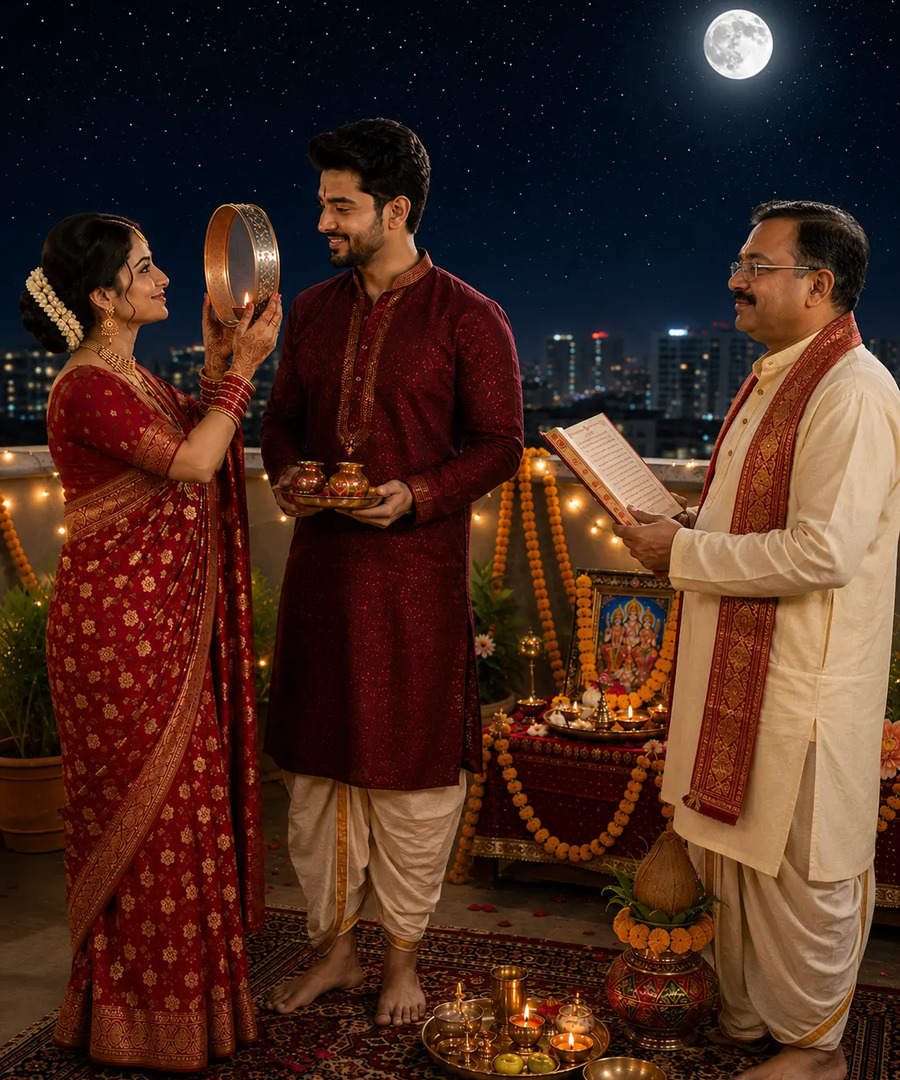
Chandra Dev, the Moon, holds an important place in Hindu devotional traditions as a deity associated with the mind, coolness and nourishment. On the full-moon night, many devotees offer prayers to the Moon — common offerings include water (arghya), flowers and simple prayers, offered after moonrise according to family custom.
No single ritual sequence is mandatory for every devotee; follow your family tradition and local religious guidance.
चंद्र देव हिंदू भक्ति परंपरा में मन, शीतलता और पोषण से जुड़े देवता हैं। पूर्णिमा की रात अनेक भक्त चंद्रोदय के बाद अर्घ्य, फूल और प्रार्थना अर्पित करते हैं। कोई एक विधि सभी के लिए अनिवार्य नहीं है — पारिवारिक परंपरा और स्थानीय मार्गदर्शन follow करें।
Many families prepare kheer on Sharad Purnima and, according to household custom, place the covered dish where it receives moonlight before sharing it as prasad. The practice is connected with traditional beliefs about the auspiciousness of the full moon. Practices differ across regions, and moonlight is not a scientifically established way of adding medicinal benefits to food.
Ingredients: milk, rice, sugar or an appropriate sweetener, cardamom, and nuts or saffron if desired.
Food safety: use clean utensils; store milk-based food safely; avoid leaving perishable food outdoors for long periods in warm or unhygienic conditions. If your family follows the moonlight custom, place the covered dish in a clean, protected area and refrigerate it promptly afterwards.
अनेक परिवार शरद पूर्णिमा पर खीर बनाते हैं और परंपरा अनुसार ढककर चंद्रमा की रोशनी में रखकर प्रसाद के रूप में बाँटते हैं। स्वच्छ बर्तन use करें, दूध का भोजन सुरक्षित रखें, और गर्म या अस्वच्छ परिस्थितियों में खाना लंबे समय तक बाहर न छोड़ें।
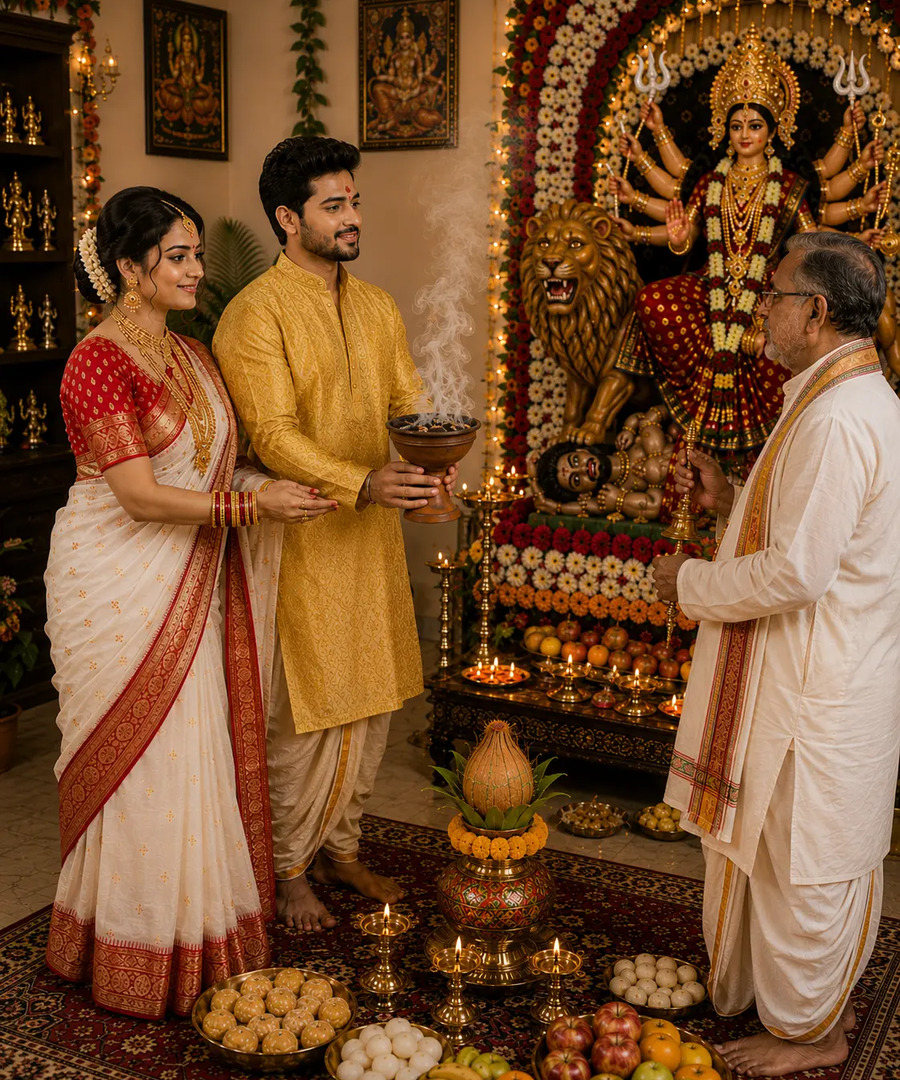
In several regional traditions — especially Bengal, Odisha and Assam — Sharad Purnima is observed as Kojagari Purnima, associated with Goddess Lakshmi. The name is traditionally explained through the Sanskrit expression "Ko Jagarti?" — "Who is awake?" — linked to the belief that Maa Lakshmi moves through the world on this night and blesses those who remain awake in devotion.
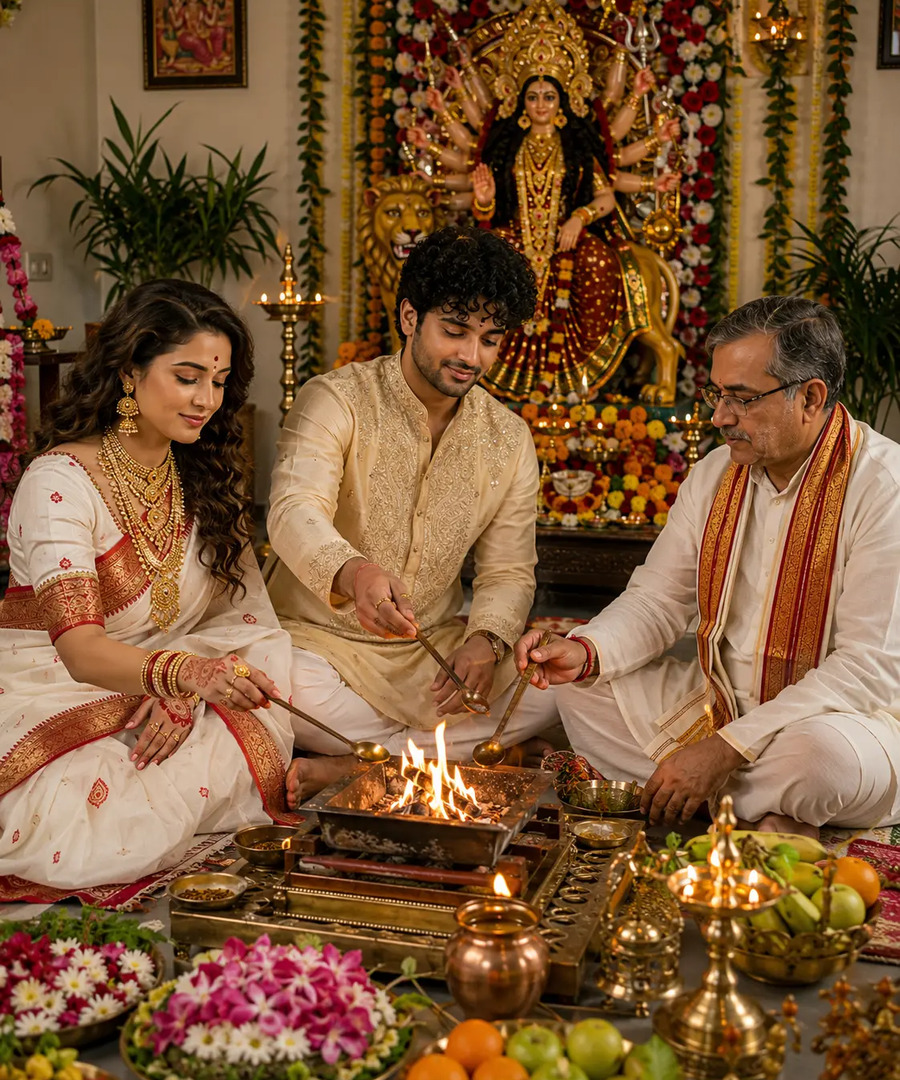
Households that observe it may light lamps, perform Lakshmi Puja during the night, offer traditional foods, and keep a vigil (jagarana). The observance encourages gratitude, generosity and the responsible use of resources.
Kojagari Lakshmi Puja is distinct from the Lakshmi Puja of Diwali, which is observed on Amavasya with its own customs. Not all Hindu communities observe Lakshmi Puja on Sharad Purnima, and no observance promises guaranteed wealth or financial outcomes.
बंगाल, ओडिशा और असम सहित अनेक क्षेत्रों में शरद पूर्णिमा कोजागरी पूर्णिमा के रूप में मनाई जाती है। 'को जागर्ति?' — 'कौन जाग रहा है?' — की परंपरा से जुड़ा यह पर्व माँ लक्ष्मी की रात्रि पूजा और जागरण का अवसर है। यह दिवाली की लक्ष्मी पूजा से अलग अनुष्ठान है, और कोई अनुष्ठान धन की गारंटी नहीं देता।
In Krishna-bhakti traditions, the autumn full-moon night is associated with Shri Krishna's divine Raas Lila with the gopis of Vrindavan, described in the Bhagavata Purana. The Raas tradition expresses divine love, devotion, and the soul's longing for a loving relationship with the Divine.
The tradition has inspired centuries of devotional music, dance and storytelling, and many temples and communities hold special kirtan and Raas celebrations. Different Vaishnava communities follow their own calendars and observances, so the date of Raas celebrations can differ by tradition — not every community celebrates on exactly the same date.
श्रीकृष्ण भक्ति परंपराओं में शरद पूर्णिमा की रात श्रीकृष्ण की दिव्य रासलीला से जुड़ी है, जिसका वर्णन भागवत पुराण में है। यह परंपरा दिव्य प्रेम और भक्ति को व्यक्त करती है। विभिन्न वैष्णव सम्प्रदाय अपने-अपने पंचांग follow करते हैं, इसलिए रास उत्सव की तिथि अलग हो सकती है।
0 of 15 items prepared
Requirements vary by family and region. · सामग्री क्षेत्र और परिवार की परंपरा अनुसार बदल सकती है।
Order Puja SamagriHealth: adapt fasting or night vigils to your health. People with medical conditions, on medication, pregnant, or with dietary needs should seek professional advice. Never stop prescribed medication.
स्वास्थ्य के अनुसार ही व्रत या जागरण करें; डॉक्टर की सलाह के बिना दवाएँ बंद न करें।
Fasting customs differ between families and regions, and not everyone observes a fast. Some households keep a Purnima vrat, some begin a year-long Purnima fasting pledge on this day, and many simply perform puja and share food. Kheer and other milk-based foods are the best-known offerings; other traditional foods vary by region. Kojagari customs may include nighttime worship or staying awake in some traditions.
Fasting is not compulsory for every devotee. Choose a practice suitable for your health, age and circumstances — prayer, charity or a simple sattvic meal are equally valid devotion.
व्रत की परंपराएँ परिवार और क्षेत्र अनुसार अलग-अलग हैं; सभी व्रत नहीं रखते। कई परिवार पूजा करके खीर और अन्य भोग बाँटते हैं। व्रत किसी के लिए अनिवार्य नहीं है — अपने स्वास्थ्य के अनुसार चुनें।
ॐ सोम सोमाय नमः॥
Om Som Somaya Namah.
A simple name-mantra of salutation to Chandra (Soma), the Moon, for japa.
दधिशङ्खतुषाराभं क्षीरोदार्णवसम्भवम्। नमामि शशिनं सोमं शम्भोर्मुकुटभूषणम्॥
Dadhi-shankha-tusharabham kshirodarnava-sambhavam, namami shashinam somam shambhor-mukuta-bhushanam.
I bow to the Moon — white as curd, conch and snow, born of the ocean of milk, the ornament of Shiva's crown. Traditional Chandra dhyana shloka from the Navagraha stotra.
ॐ महालक्ष्म्यै नमः॥
Om Mahalakshmyai Namah.
A simple name-mantra of salutation to Maa Lakshmi, used in Kojagari Lakshmi Puja traditions.
ॐ नमो भगवते वासुदेवाय॥
Om Namo Bhagavate Vasudevaya.
Salutations to Lord Vasudeva (Krishna). A widely used twelve-syllable Vaishnava mantra.
Religious beliefs and personal reflections — not promises of material or supernatural results.
Moonlit prayer and reflection bring calm and gratitude.
The Raas tradition inspires loving devotion to the Divine.
Lakshmi worship encourages thankfulness and responsible use of resources.
Preparing and sharing kheer brings families together.
The Kojagari vigil symbolises alertness in devotion.
Optional reflections inspired by traditional zodiac symbolism — not predictions. No result is guaranteed.
मेष · Aries
Theme: Calm strength
Let the cool full moon remind you to balance energy with peace.
वृषभ · Taurus
Theme: Gratitude
Prepare kheer with care and share it with someone in need.
मिथुन · Gemini
Theme: Devotional words
Recite one prayer slowly and reflect on its meaning.
कर्क · Cancer
Theme: Moonlit devotion
Chandra is your sign's lord — offer water to the moon with a calm heart.
सिंह · Leo
Theme: Generosity
Share food and light with others as your offering.
कन्या · Virgo
Theme: Purity and order
Arrange samagri mindfully and keep the puja space clean.
तुला · Libra
Theme: Harmony
Spend the evening in peaceful prayer with family.
वृश्चिक · Scorpio
Theme: Inner stillness
Sit quietly in the moonlight and release one worry.
धनु · Sagittarius
Theme: Devotion and learning
Read or share the story of the Sharad Raas tradition.
मकर · Capricorn
Theme: Discipline
Keep a simple prayer routine that fits your health and duties.
कुंभ · Aquarius
Theme: Service
Offer food or time to a community observance.
मीन · Pisces
Theme: Loving devotion
Sing a bhajan to Shri Krishna or Maa Lakshmi with an open heart.
संबंधित पर्व
Start the existing booking flow with the festival date preselected.