Kartik traditions · Tulsi & Lord Vishnu

Tulsi Vivah

तुलसी विवाह

Celebrate the ceremonial union of Tulsi and Lord Vishnu through gratitude, sincere prayer and shared household devotion. Shaligram or another traditionally accepted representation of Vishnu may be used; the date and ceremony follow regional and family practice.

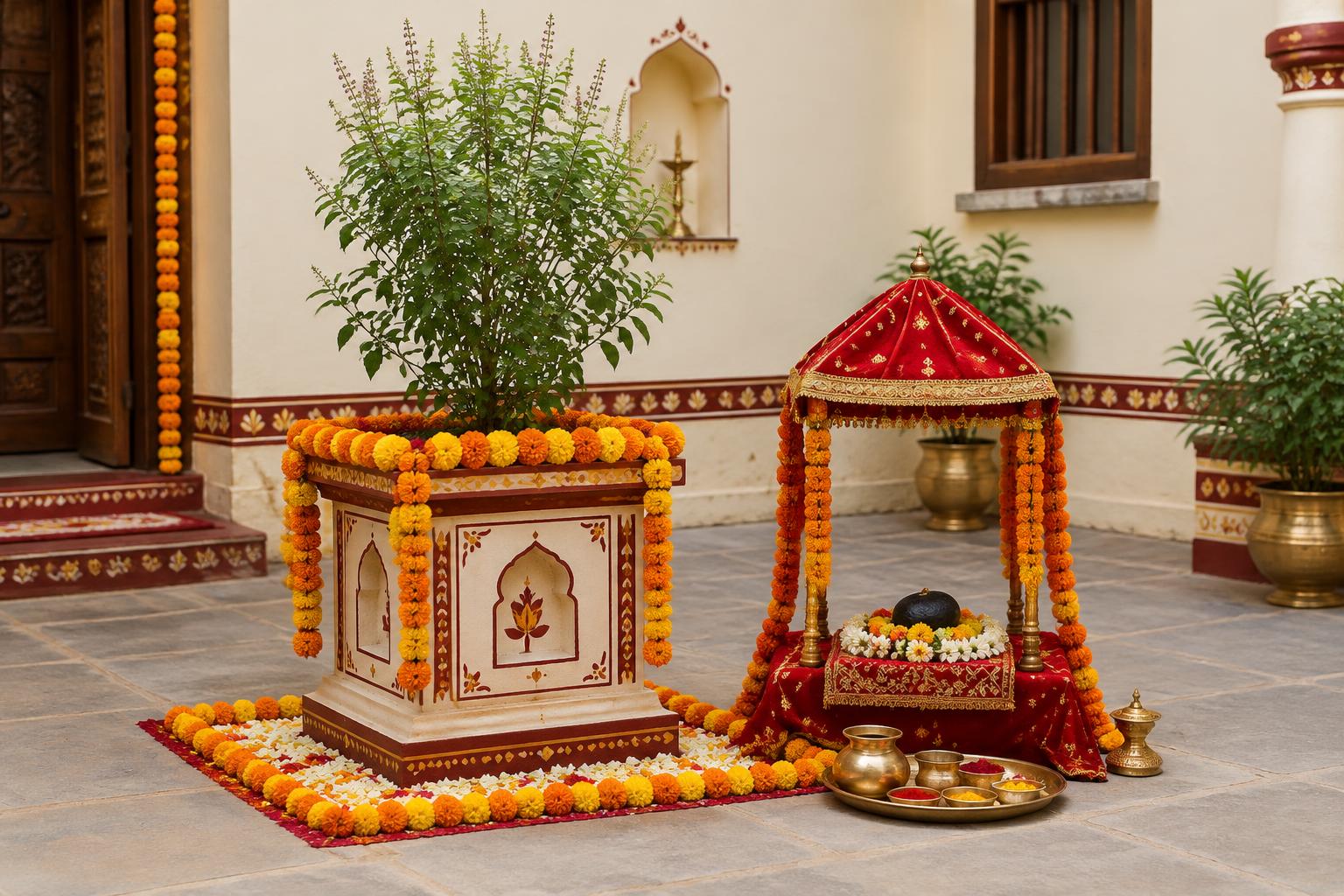
Existing devotional illustration of a decorated Tulsi plant beside a ceremonial canopy

01 / 05

Tulsi Vrindavan · Prepared with care

Story & History

A wedding expressed through devotion

Tulsi Vivah is the ceremonial marriage of Tulsi, revered in many Hindu traditions, with Lord Vishnu. A living Tulsi plant or Tulsi Vrindavan is lovingly decorated, while Vishnu may be represented by a Shaligram or another representation accepted in the household’s tradition. The celebration brings the language of a wedding into worship: welcome, offering, song and commitment. It is a devotional observance, not a prescription that every household must perform the same ceremony.

Tulsi, Vrinda and sacred narrative

Widely told sacred narratives associate Tulsi with Vrinda and explain her enduring connection with Vishnu. Versions of the Vrinda and Jalandhara story differ in their details and interpretation. Some connect Vishnu’s stone form with Shaligram worship. These accounts belong to religious storytelling; they should not be treated as independently documented history or reduced to a single universal version. This guide does not invent or quote a scriptural passage.

The Shaligram tradition

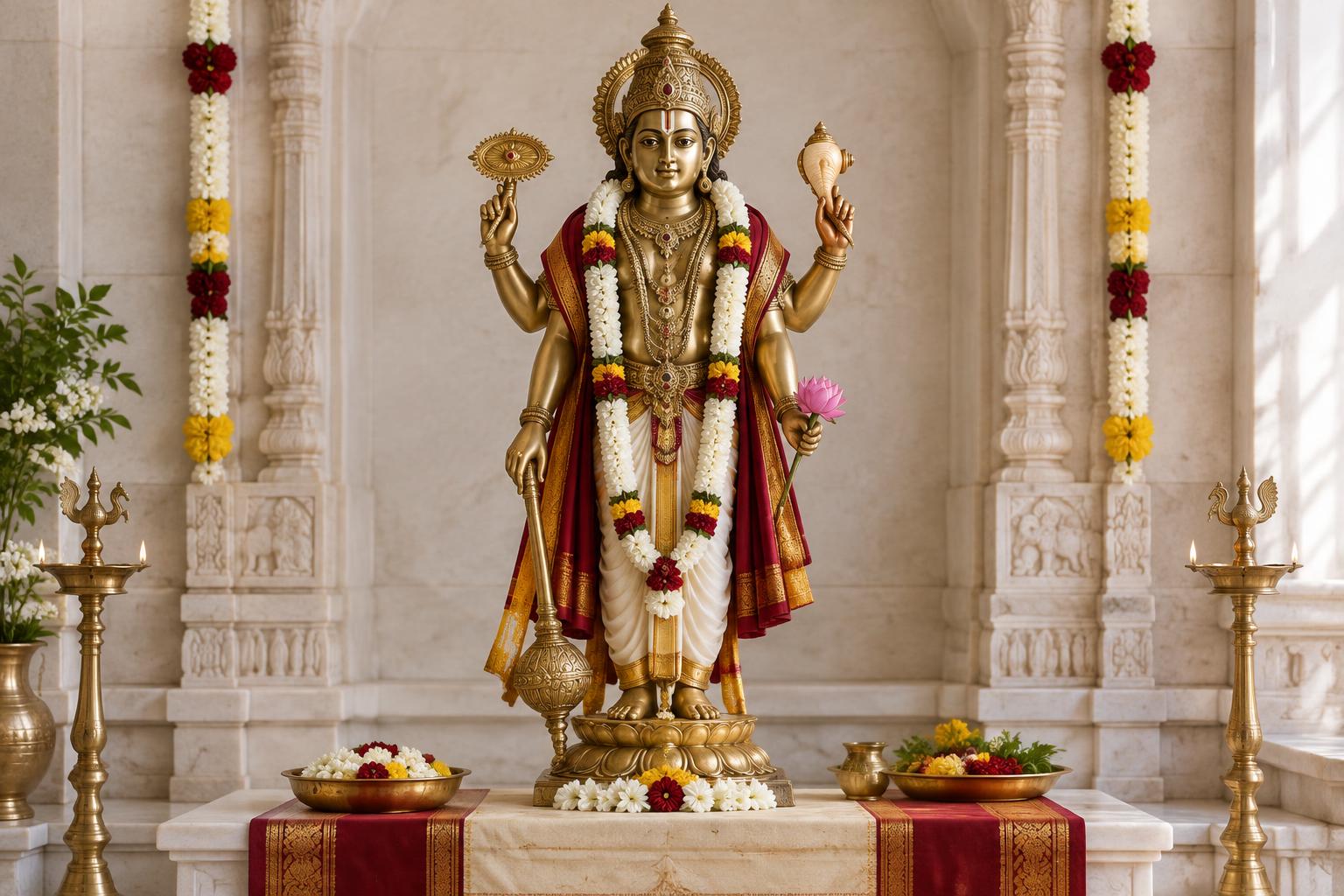
In many Vaishnava households, Shaligram is revered as a representation of Vishnu and takes the ceremonial role of the groom. Other families use a customary Vishnu or Krishna image. Follow the practice of your family or temple and ask a trusted religious guide about handling and worship; acquiring a Shaligram is not a universal requirement for sincere devotion.

Around the awakening of Vishnu

Tulsi Vivah belongs to the broader Kartik season of devotion. It is often associated with Dev Uthani or Prabodhini Ekadashi and the traditional awakening of Lord Vishnu after Chaturmas. Some families celebrate on that Ekadashi, others on Dwadashi, and some choose another customary day through Kartik Purnima. The association does not make the two observances identical or give every region the same date.

Marriage-season traditions

In many communities the observance marks the resumption of auspicious wedding ceremonies after Chaturmas. This cultural transition does not establish a suitable muhurat for every marriage or promise marriage to those who participate. Individual ceremonies still follow the applicable Panchang, circumstances and family practice. The festival’s themes of commitment and respect can be meaningful to people in many kinds of households.

A living household and community celebration

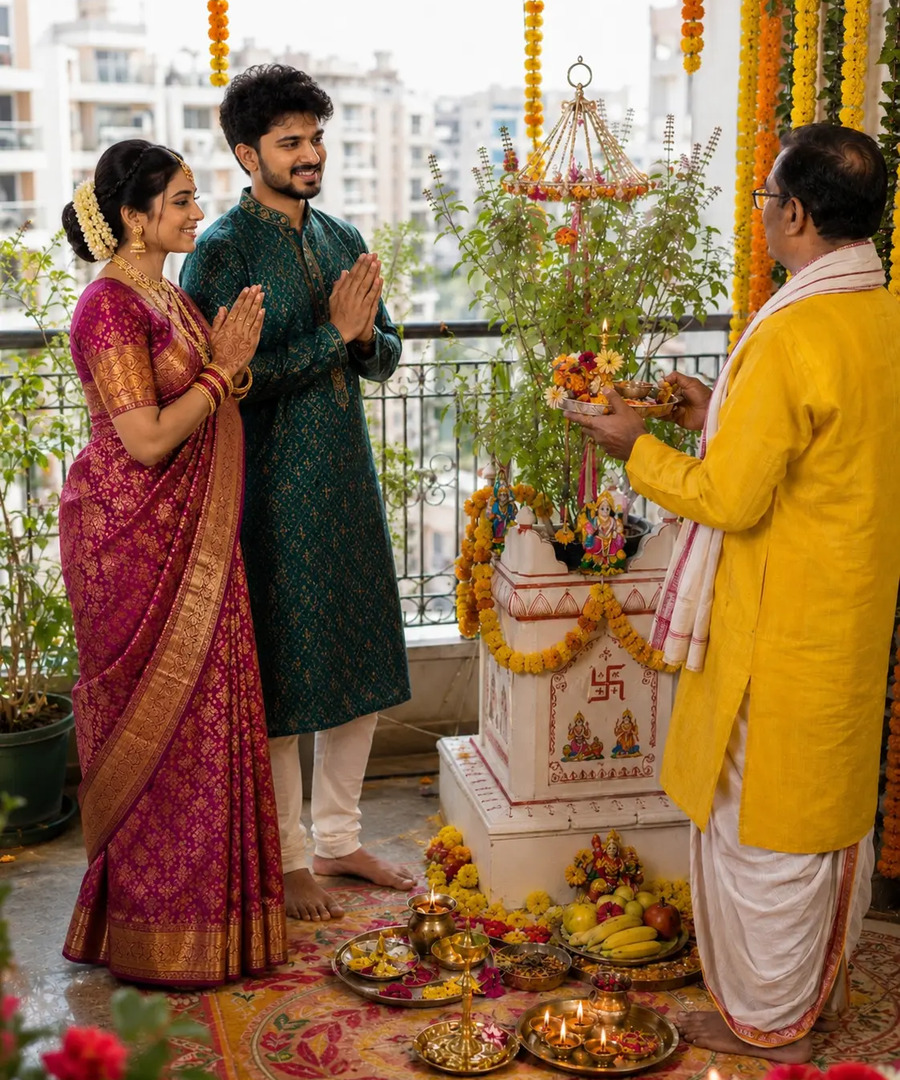
A courtyard, balcony, temple or shared puja space may become the setting for songs, offerings and a symbolic wedding. Decorations, ceremonial cloth, wedding songs and the order of rites differ between communities. Maharashtra traditions often emphasize Kartik Dwadashi; other regional calendars may differ. What connects these expressions is reverence, hospitality and shared prayer, not one compulsory format.

Care beyond the ceremony

The living Tulsi plant deserves care before and after the celebration. Decorations should not weigh down its branches or cover its soil with damaging materials. A modest ceremony with thoughtful offerings can express gratitude as sincerely as an elaborate one. Carry its spirit into daily life through patient relationships, responsible plant care and kindness to those around you.

Date, Tithi & Muhurat

New Delhi, India · Asia/Kolkata

Upcoming date not verified

Tithi
Not verified
Tithi start / end
Not verified / Not verified
Local puja Muhurat
Not verified — consult your local Panchang
Regional observance
Ekadashi, Dwadashi or another customary Kartik day; confirm your family or temple calendar.

No verified upcoming occurrence is available. Automatic Panchang synchronization is not connected; consult your local Panchang.

New Delhi is the stated calendar reference, not your detected location. Tulsi Vivah dates can differ by household and regional observance rule. Full rolling ten-year Panchang coverage is not yet connected; only verified stored occurrences can be shown.

Tulsi Vivah Puja Vidhi

परंपरा अनुसार पूजा विधि

A practical sequence, not a universal rule. Adapt the observance with your family and trusted religious guide.

  1. 1

    Choose the customary observance

    Confirm the date, location and family or temple tradition with a trusted guide. Decide on a manageable ceremony; do not assume one public calendar settles every household’s practice.

  2. 2

    Prepare the puja area

    Clean an accessible, stable space around the Tulsi plant. Leave room for participants and place lamps where they cannot ignite cloth or leaves.

  3. 3

    Care for and decorate Tulsi

    Gently clean the planter or Vrindavan. Use light garlands or customary decorations without tying tightly around stems, bending branches or damaging roots.

  4. 4

    Arrange chosen samagri

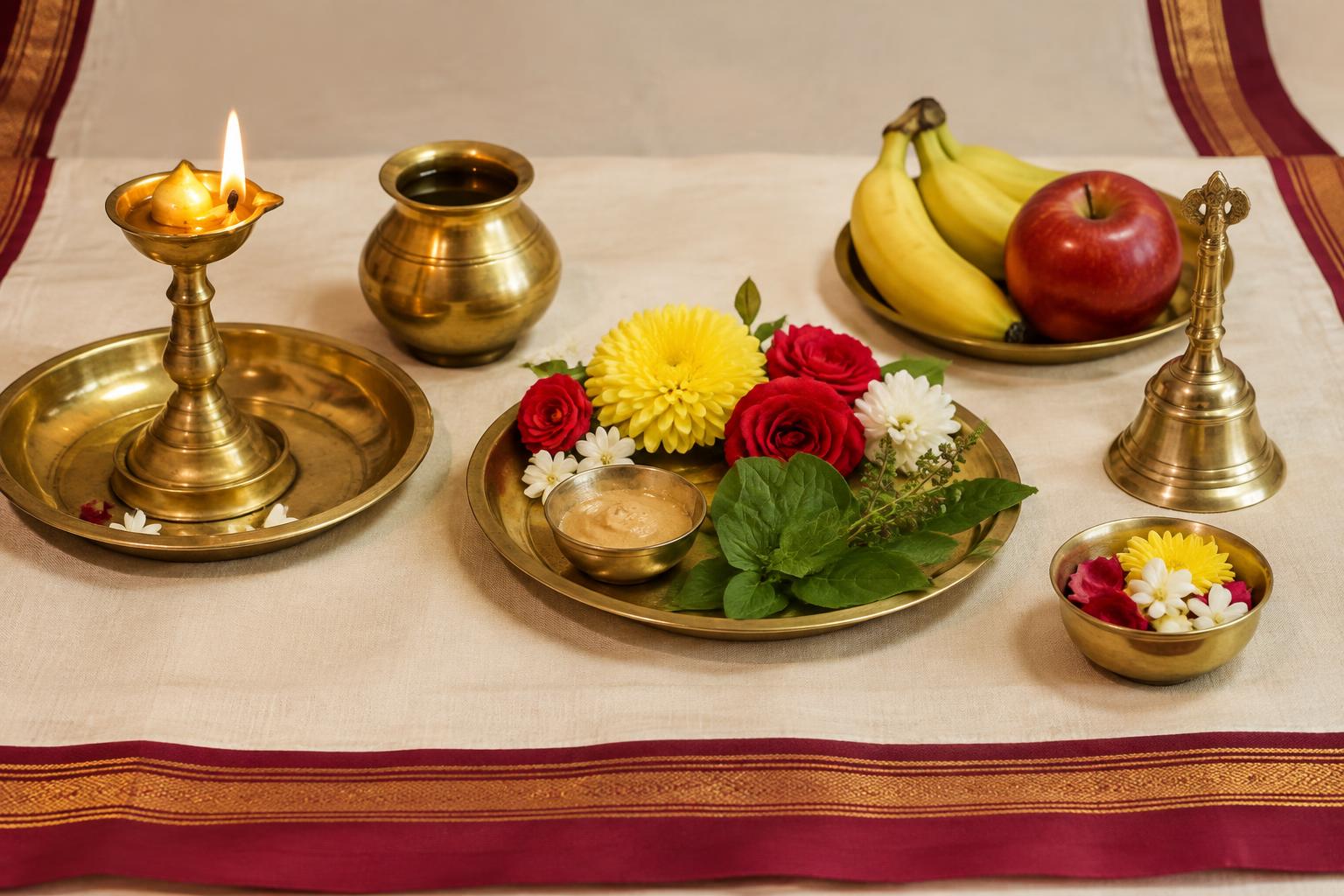
    Set out clean water, flowers, a puja plate and suitable offerings. Cloth, kumkum, chandan and akshat depend on custom; the checklist is a preparation aid, not a mandatory shopping list.

  5. 5

    Prepare Vishnu’s representation

    Place the household’s Shaligram or accepted Vishnu representation on a clean, secure support according to tradition. Ask your guide about handling; do not improvise unfamiliar formal rites.

  6. 6

    Begin customary worship

    Offer a respectful salutation and intention. Worship Tulsi and Lord Vishnu as customary in your family, with a familiar prayer or guidance from Pandit Ji.

  7. 7

    Make devotional offerings

    Offer flowers, fruit and customary bhog within your means. Keep offerings hygienic and do not apply unsuitable substances directly to the living plant.

  8. 8

    Conduct the symbolic marriage

    Follow the locally accepted wedding sequence, which may include garlands, ceremonial cloth and customary songs. A trusted priest can guide formal recitations and any circumambulation where observed; no single sequence or number is prescribed here.

  9. 9

    Offer prayer and aarti

    Join familiar devotional singing or aarti where customary. Keep the flame attended and safely away from the plant, decorations and participants. A sincere personal prayer is appropriate when a formal text is unfamiliar.

  10. 10

    Complete with gratitude and care

    Share suitable prasad, thank those who helped and tidy the space. Remove decorations that could harm Tulsi. Follow any additional regional customs without imposing them on another household.

Tulsi Vivah Puja Samagri

वैकल्पिक पूजा सामग्री

0 of 16 items prepared16 में से 0 सामग्री तैयार

Items depend on family, region and the chosen puja; optional items are not universal requirements. · सामग्री परिवार, क्षेत्र और चुनी हुई पूजा अनुसार बदलती है।

Spiritual Significance

धार्मिक महत्त्व और आध्यात्मिक भाव

Devotion to Vishnu and reverence for Tulsi

The ceremonial union expresses a cherished relationship in Hindu devotional life. Worship may offer a setting for faith, gratitude and attentive prayer, while reverence for Tulsi includes practical care for the living plant.

Commitment with gentleness

The wedding symbolism invites reflection on loyalty, respect and responsibility. Its meaning need not become pressure to marry or a promise that a relationship will succeed. Sincerity can be expressed through small, considerate actions.

Family devotion and shared belonging

Preparing a space, singing together or sharing prasad can connect generations. Make room for participants with different abilities, beliefs and circumstances rather than measuring devotion by the scale of a ceremony.

Gratitude carried into everyday life

A prayer of thanks, patience in a difficult conversation and care for the household can extend the festival beyond the altar. These are devotional and personal meanings, not scientific claims or guaranteed prosperity, health or supernatural outcomes.

These are devotional meanings and traditional beliefs, not promises of wealth, recovery, protection or supernatural outcomes.

12 Rashi Guidance & Puja Impact

बारह राशियों के लिए आध्यात्मिक चिंतन

Personal reflection inspired by the festival, not a horoscope prediction or prescribed Rashi-specific rite. The practices below are optional and appropriate for anyone.

Mesh (Aries)

Guidance
Bring enthusiasm to Tulsi Vivah without rushing the people sharing it.
Puja Impact
The symbolic wedding can offer a pause to consider patience within commitment.
Suggested practice
Help arrange the puja space calmly before joining prayer.
Personal reflection
How can I make my care steady rather than hurried?

Vrishabh (Taurus)

Guidance
Appreciate the living Tulsi plant and simple offerings rather than elaborate possessions.
Puja Impact
A modest offering can focus devotion on gratitude, not ceremonial expense.
Suggested practice
Offer a flower where customary and care gently for the plant.
Personal reflection
Which everyday comfort deserves a sincere thank-you?

Mithun (Gemini)

Guidance
Listen to the household’s Tulsi Vivah stories before comparing traditions.
Puja Impact
Shared devotional song can make communication a practice of respect.
Suggested practice
Join a familiar bhajan and listen to an elder’s account.
Personal reflection
Do my words create understanding or unnecessary disagreement?

Kark (Cancer)

Guidance
Let household devotion include those who cannot attend or follow every custom.
Puja Impact
Prayer together may express affection without burdening family members with expectations.
Suggested practice
Invite someone to a short, accessible part of the worship.
Personal reflection
Who would feel cared for by a gentle invitation?

Singh (Leo)

Guidance
Make the celebration a welcome for others rather than a display of grandeur.
Puja Impact
Offering service can place humility at the heart of the symbolic marriage.
Suggested practice
Help distribute suitable prasad without seeking recognition.
Personal reflection
What can I contribute quietly and wholeheartedly?

Kanya (Virgo)

Guidance
Prepare thoughtfully while accepting that a missing decoration does not diminish sincerity.
Puja Impact
Tulsi worship can redirect attention from perfection to respectful plant care.
Suggested practice
Check that garlands and lamps will not harm the plant.
Personal reflection
Where can practical care replace anxious perfectionism?

Tula (Libra)

Guidance
Reflect on reciprocity and consent through the festival’s theme of commitment.
Puja Impact
The ceremonial union may prompt consideration of balance in daily relationships.
Suggested practice
Agree on ceremony arrangements that respect everyone’s needs.
Personal reflection
How can I listen as generously as I wish to be heard?

Vrishchik (Scorpio)

Guidance
Approach sacred narratives thoughtfully without turning them into fear or blame.
Puja Impact
Quiet Tulsi and Vishnu prayer may create space for an honest intention to release resentment.
Suggested practice
Offer a simple personal prayer for patience and responsible action.
Personal reflection
What feeling can I meet with honesty and compassion?

Dhanu (Sagittarius)

Guidance
Connect curiosity about Tulsi Vivah with respect for different regional customs.
Puja Impact
Learning within devotion can deepen appreciation without insisting on a single ceremony.
Suggested practice
Read a reliable account and ask a trusted guide about local practice.
Personal reflection
Can I value another tradition without claiming to speak for it?

Makar (Capricorn)

Guidance
Let the wedding symbolism inspire commitments that remain realistic and kind.
Puja Impact
Completing the puja responsibly may reinforce steady care beyond festival day.
Suggested practice
Tidy the worship space and continue routine care for Tulsi.
Personal reflection
Which small responsibility can I honour consistently?

Kumbh (Aquarius)

Guidance
Bring community spirit to the observance while protecting individual choice.
Puja Impact
Participation can emphasize shared dignity rather than uniform ritual performance.
Suggested practice
Help make a family or community prayer accessible to others.
Personal reflection
Who might be left out, and what could I change?

Meen (Pisces)

Guidance
Give tenderness a practical expression in the festival’s songs and gratitude.
Puja Impact
Devotional reflection may connect a heartfelt prayer with everyday acts of care.
Suggested practice
Listen to a familiar devotional song, then offer one helpful action.
Personal reflection
How can the warmth of worship become kindness today?

Precautions & Important Considerations

स्वास्थ्य, सुरक्षा और परंपरा

Respect the living plant

Use lightweight decorations, avoid tight bindings and keep flames away from leaves. Do not pour unsuitable substances into the soil or damage branches for an offering. Continue suitable watering and plant care after the celebration.

Prepare safely and inclusively

Keep pathways clear and lamps attended. Ventilate incense if used; adapt seating and participation to children, older adults and anyone with access needs. Offer hygienic prasad with allergies and dietary needs in mind.

Follow your tradition without imposing it

Shaligram handling, ceremonial cloth, songs and marriage rites can differ. Consult a trusted religious authority rather than treating optional practices as compulsory or another family’s custom as incorrect.

Verify time-sensitive instructions

Check the local Panchang and applicable tradition before selecting the ceremony date or time. A stated New Delhi reference is not your detected location. Tulsi Vivah is not a universal fasting requirement; do not alter medicine or necessary food and fluids for a ceremony.

Avoid pressure and promised outcomes

There is no need to overspend or compel participation. The puja does not guarantee marriage, prosperity, health or relationship success, and fear-based claims should not guide household decisions.

Frequently Asked Questions

Related Festivals

Sources & References

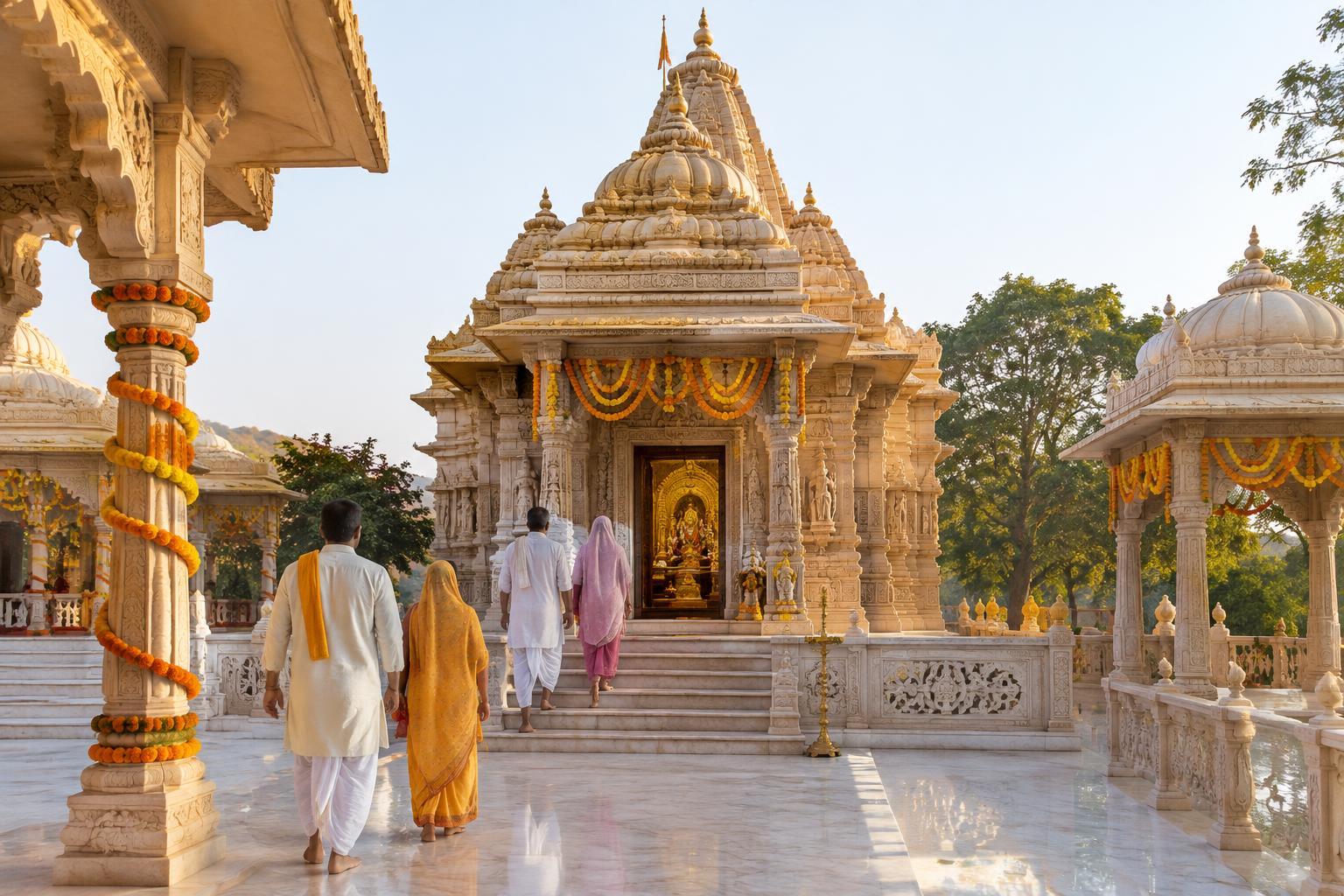
Sacred narratives are respectfully paraphrased, not presented as historical proof or unverified scripture quotations. The gallery reuses existing devotional illustrations, including illustrations previously generated for other pages; no new images were generated for Tulsi Vivah. General offerings and temple scenes do not document a particular wedding.

Observe with care and devotion

Confirm local timing and your chosen tradition with Pandit Ji before time-sensitive rites.